Every passionate baker knows the joy a reliable stand mixer brings to the kitchen. It’s more than just an appliance; it’s a trusted partner, transforming strenuous kneading and whisking into effortless culinary art. Among the myriad options, the Crux Stand Mixer has emerged as a noteworthy contender, blending sleek design with practical functionality, often at a more accessible price point. If you’re looking to elevate your baking experience without breaking the bank, understanding what this particular workhorse offers is key.
The Stand Mixer Revolution: A Brief History
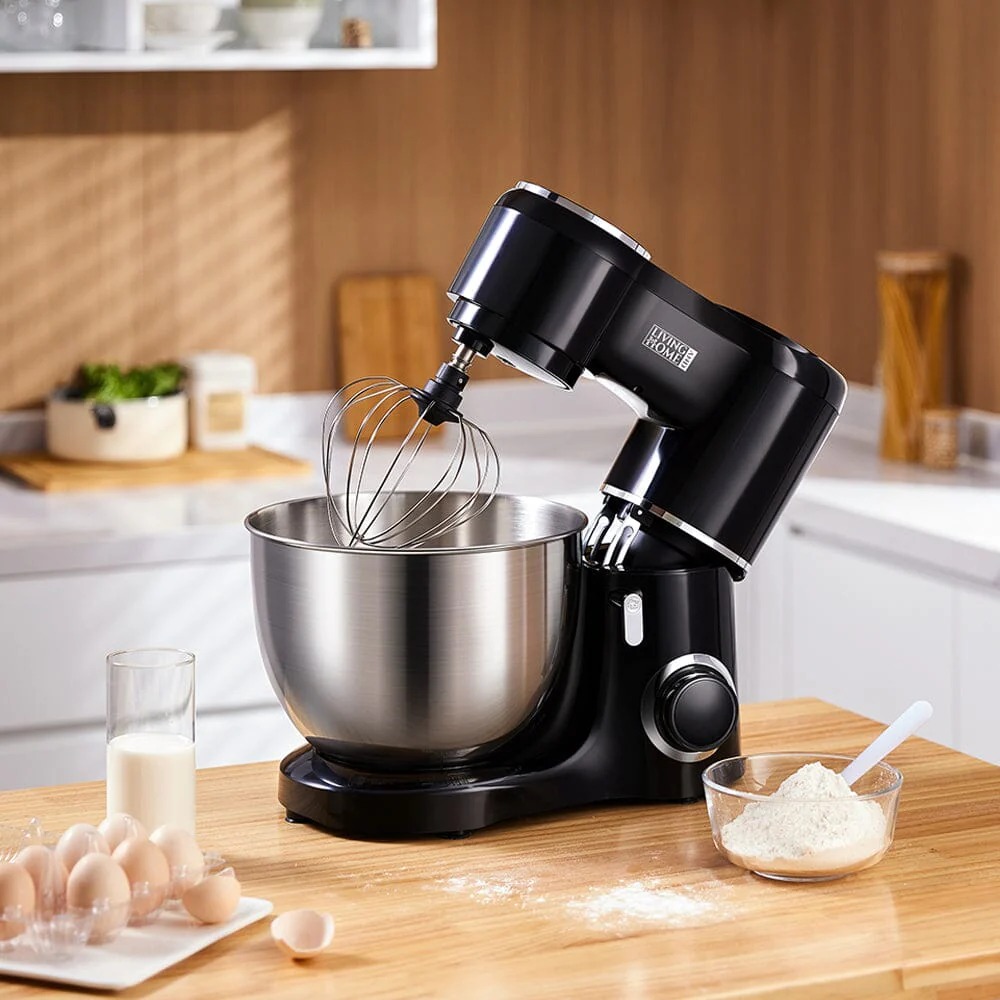
Stand mixers have come a long way since their inception. What began as heavy-duty industrial machines designed for bakeries slowly evolved into the countertop powerhouses we know today. Early models, like the iconic KitchenAid mixer first introduced in 1919, revolutionized home baking by automating the most laborious tasks. This innovation freed up countless hours for home cooks, allowing them to experiment with more complex recipes and enjoy the creative process. Over the decades, improvements in motor technology, attachment versatility, and design aesthetics have cemented the stand mixer’s place as an indispensable kitchen appliance, a tradition the Crux stand mixer proudly carries forward.
What Makes a Stand Mixer Tick? Understanding the Core Technology
At the heart of any effective stand mixer lies a combination of engineering marvels.
Planetary Mixing Action Explained
One of the most crucial features is planetary mixing action. This isn’t just a fancy term; it’s the secret to thorough, even mixing. Instead of the beater simply spinning in one spot, it rotates in one direction while simultaneously orbiting the bowl in the opposite direction, much like planets around a sun. This ensures that every inch of the bowl’s interior is covered, pulling ingredients from the sides and bottom into the center of the mix. This results in lump-free batters, perfectly kneaded doughs, and consistently whipped creams, making your baking endeavors a breeze.
Motor Power (Watts) and Its Importance
The motor’s wattage often indicates a mixer’s capability. A higher wattage generally means more power to handle thicker, denser mixtures without straining the motor.
- For lighter tasks like whipping cream or mixing cake batter, a 300-watt motor can suffice.
- For heavy-duty tasks such as kneading stiff bread dough, a mixer with 600 watts or more is ideal to prevent overheating and ensure longevity.
“Think of motor wattage as the mixer’s ‘muscle’,” explains Chef Eleanor Vance, a seasoned pastry chef and culinary instructor. “You wouldn’t ask a lightweight to lift a heavy barbell repeatedly. The same applies to your mixer—match its power to your toughest recipes for the best performance and durability.”
Speed Settings and Their Applications
Most stand mixers offer a range of speed settings, typically from 6 to 12 or more.
- Low speeds are perfect for gently folding ingredients, combining dry and wet elements without creating a cloud of flour, or slowly incorporating delicate items.
- Medium speeds are your go-to for creaming butter and sugar, mixing cake batters, or making frosting.
- High speeds are reserved for whipping egg whites into meringue, aerating cream, or making light, fluffy mixtures. The right speed ensures optimal texture and consistency for every recipe.
Introducing the Crux Stand Mixer: Style Meets Substance
Crux, while perhaps not as long-established as some legacy brands, has quickly carved out a niche for itself by offering stylish, high-performing kitchen essentials. The Crux stand mixer embodies this philosophy, often featuring modern aesthetics and distinctive design choices that make it a statement piece on any countertop. Many Crux appliances boast sophisticated two-tone finishes, like dark grey and rose gold, or sleek metallic accents, appealing to those who appreciate both form and function in their kitchen tools. It’s a brand that aims to deliver premium feel and performance without the premium price tag.
Exploring Crux Stand Mixer Models and Their Unique Features
Crux offers a few notable stand mixer models, each designed to cater to different baking needs and kitchen setups.
The Versatile Crux Bake and Blend
One of Crux’s most distinctive offerings is the Bake and Blend Stand Mixer. This model stands out for its multi-functional design.
- Key Features: It typically boasts a powerful 1200-watt motor, a generous 5.5-liter stainless steel mixing bowl, and, uniquely, an integrated 1.5-liter glass blender jug. It usually offers 8 speed settings, complemented by efficient planetary mixing action.
- Pros: This is a true kitchen workhorse. Its high wattage allows it to tackle everything from delicate whisking to robust bread dough kneading with ease. The integrated blender is a significant advantage, saving counter space and providing unmatched versatility for smoothies, soups, and sauces. Its robust build quality ensures stability during heavy mixing.
- Cons: Due to its powerful motor and additional blender component, this model can be quite large and heavy. You’ll need ample counter space and sufficient clearance under your cabinets, especially when the blender jug is attached. It can also be a bit noisy on higher settings, a common trade-off for powerful motors.
The Compact Crux 5.3-Qt. Tilt-Head
For those with less space or different needs, Crux also offers more compact tilt-head models.
- Key Features: These typically feature a 300-watt motor, a 5.3-quart stainless steel bowl, and a convenient tilt-head design for easy access. They often come with 10 to 12 speed settings and a splash shield.
- Pros: This model is lighter and more compact, making it easier to store if you can’t leave it out permanently. The tilt-head design simplifies adding ingredients and scraping down the bowl. It’s generally a more budget-friendly option, perfect for casual bakers.
- Cons: The 300-watt motor, while adequate for lighter tasks like cake batter and frosting, might struggle with very stiff bread dough or prolonged heavy-duty mixing. Some users have reported mixed experiences regarding its long-term durability, suggesting it might be best suited for moderate use rather than everyday intense baking.
Common Attachments
Regardless of the model, Crux stand mixers usually come equipped with essential attachments:
- Flat Beater: Ideal for normal to heavy mixtures like cakes, cookies, pastry, and mashed potatoes.
- Dough Hook: Designed for kneading yeast doughs like bread, pizza dough, and pasta.
- Wire Whisk: Perfect for incorporating air into mixtures, such as whipping eggs, cream, or making light batters.
- Splash Guard: A useful accessory for preventing ingredients from splattering out of the bowl during mixing.
Getting Started: Using and Maintaining Your Crux Stand Mixer
Bringing a new Crux stand mixer into your kitchen is exciting, and proper use and maintenance will ensure it remains a reliable companion for years.
First-Time Setup
- Unpack Carefully: Remove all packaging materials and read the user manual.
- Clean Before First Use: Wash the mixing bowl and all attachments with warm, soapy water. Wipe down the mixer base with a damp cloth.
- Placement: Position your mixer on a stable, flat surface with enough clearance, especially for tilt-head models or the Bake and Blend with its blender jug.
Choosing the Right Attachment and Speed
Matching the attachment and speed to your recipe is crucial for optimal results and to avoid straining the motor.
- Use the dough hook for kneading at low speeds.
- The flat beater is best for combining ingredients at low to medium speeds.
- The wire whisk should be used at medium to high speeds for aerating.
“Don’t rush your mixer,” advises Robert Maxwell, a kitchen appliance engineer. “Always start at the lowest speed to incorporate dry ingredients before gradually increasing. This prevents mess and ensures the motor isn’t suddenly overloaded.”
Cleaning and Care
Most Crux stand mixer attachments (beaters, dough hooks, whisks) are dishwasher safe, making cleanup a breeze. The stainless steel bowls are also generally dishwasher friendly. For the mixer base, simply wipe it down with a damp cloth; never immerse it in water. If you have the Bake and Blend model, ensure the glass blender jug is properly cleaned after each use. Regular cleaning not only maintains hygiene but also extends the life of your appliance.
Why a Crux Stand Mixer Deserves a Spot in Your Kitchen
Owning a Crux stand mixer brings numerous benefits that can genuinely transform your culinary journey.
- Elevates Baking and Saves Time: The sheer power and efficiency of a stand mixer significantly reduce manual effort. Kneading dough by hand is tiring, and whisking for extended periods can leave your arms aching. A Crux mixer handles these tasks effortlessly, freeing you to focus on other aspects of your recipe or simply enjoy the process.
- Consistent Results Every Time: Achieving consistent textures is challenging manually. A stand mixer, with its precise speed controls and planetary action, ensures ingredients are uniformly mixed, leading to perfectly aerated meringues, smooth batters, and impeccably kneaded doughs.
- Aesthetic Appeal: With its modern designs and attractive finishes, a Crux stand mixer isn’t just a tool; it’s a stylish addition to your kitchen decor. Many home cooks proudly display their mixers, letting them enhance the kitchen’s aesthetic.
- Value for Money: Compared to some premium brands, Crux offers competitive pricing without significant compromise on essential features and power, especially in its higher-wattage models. It’s an excellent investment for bakers seeking a balance between performance and affordability.
Choosing Your Perfect Crux: Key Considerations
Selecting the right Crux stand mixer requires a thoughtful assessment of your specific needs and baking habits.
- Motor Power vs. Baking Needs: Are you a casual baker who mostly whips up cakes and cookies? A 300-watt model might be sufficient. If you frequently bake bread, pizzas, or make large batches of heavy dough, invest in the more powerful 1200-watt Bake and Blend model for its superior motor and durability under strain.
- Bowl Capacity: Crux offers models with 5.3-quart (approx. 5-liter) and 5.5-liter bowls. A larger bowl is ideal if you often bake for a crowd or prepare large batches, while a smaller capacity might suffice for individual or small family portions.
- Space and Weight: Consider your kitchen layout. The Bake and Blend model is heavy and requires considerable counter clearance. If space is limited or you need to move your mixer frequently, the lighter, more compact 5.3-qt tilt-head model could be a better fit.
- Budget: Crux positions itself as an affordable brand, but prices can vary between models. Determine your budget and match it with the features that are most important to you.
- Durability and Warranty: While Crux offers competitive features, it’s wise to check warranty information and read recent user reviews, especially for long-term performance reports. This helps manage expectations, particularly for the more entry-level models.
Crux Stand Mixer vs. The Competition: A Head-to-Head
When considering a Crux stand mixer, it’s natural to compare it with industry giants like KitchenAid.
- Price: Crux mixers are generally more budget-friendly than KitchenAid models, making them an attractive option for aspiring bakers or those with tighter budgets.
- Power & Efficiency: The higher-wattage Crux Bake and Blend (1200W) can compete effectively with many mid-range KitchenAid models in terms of raw power, especially for kneading. However, some KitchenAid models, particularly professional series, offer even greater power and torque. In terms of mixing efficiency, some comparisons suggest KitchenAid’s planetary action might be marginally quicker and more thorough, particularly for very sticky mixtures.
- Durability: KitchenAid has a long-standing reputation for durability, often lasting decades. While the Crux Bake and Blend shows promising build quality, the longevity of Crux’s more budget-oriented models can be a point of concern for some users, with a few reports of early failures.
- Noise: KitchenAid mixers are generally known for being relatively quiet. The Crux Bake and Blend, while powerful, has been noted to be somewhat noisy at higher speeds.
- Size & Attachments: KitchenAid offers a vast array of specialized attachments. While Crux provides essential attachments, its unique selling proposition often lies in integrated features like the blender jug in the Bake and Blend model, offering different kind of versatility.
“Crux is a fantastic gateway mixer,” states baking blogger Amelia Rossi. “It offers solid performance for its price, especially if you get the more powerful models. But if you’re a heavy-duty, daily baker, you might still gravitate towards the unparalleled reliability and sheer range of accessories offered by KitchenAid in the long run.”
Mastering Your Mixer: Expert Tips and Troubleshooting
Even with the best equipment like a Crux stand mixer, a few tips and common troubleshooting steps can ensure smooth sailing in your kitchen.
Common Issues and What to Do
- Burning Smell: If you notice a burning smell, especially with lower wattage models, it often indicates the motor is straining. This can happen when mixing very stiff dough for too long or exceeding the mixer’s capacity. Turn off the mixer immediately, allow it to cool, and reduce the load next time. For bread dough, consider kneading in smaller batches or opting for a more powerful mixer.
- Mixer Stops Working: Check if the mixer is properly plugged in and if the outlet is functioning. If it overheated, it might have a thermal cut-off; let it cool down before trying again. If issues persist, consult your user manual or customer support.
- Ingredients Not Mixing Properly: This usually means the beater isn’t reaching the bottom or sides of the bowl. For tilt-head models, you might need to adjust the beater height. Regularly stop the mixer and scrape down the sides of the bowl with a spatula, especially when making thick batters.
Tips for Achieving Perfect Results
- Room Temperature Ingredients: For most baking, ensure butter, eggs, and dairy are at room temperature. This allows them to emulsify better and create smoother, more uniform mixtures.
- Don’t Overmix: Overmixing can develop too much gluten in cakes and cookies, leading to tough textures. Mix only until ingredients are just combined.
- Measure Accurately: Baking is a science. Use proper measuring cups and spoons, and for best results, weigh your ingredients with a kitchen scale.
- Listen to Your Mixer: Pay attention to the sound of your Crux stand mixer. If the motor sounds strained or it’s making unusual noises, it’s telling you it’s working too hard. Adjust the speed or lighten the load.
FAQ
Is the Crux stand mixer good for bread dough?
Yes, particularly the Crux Bake and Blend model with its powerful 1200-watt motor is well-suited for kneading bread dough. The lower wattage 5.3-qt models might struggle with very stiff or large batches of dough.
What attachments come with a Crux stand mixer?
Most Crux stand mixers include a flat beater, a dough hook, and a wire whisk. The Crux Bake and Blend model also uniquely features an integrated glass blender jug.
How do I clean my Crux stand mixer?
The stainless steel bowl and most attachments (beater, whisk, dough hook) are typically dishwasher safe. For the mixer’s base, simply wipe it clean with a damp cloth; never submerge it in water.
Is Crux a good brand for kitchen appliances?
Crux is considered a good brand for stylish and functional kitchen appliances, often offering a good balance of features and affordability. While not as established as some premium brands, it provides reliable performance for many home baking needs.
What is the difference between the Crux Bake and Blend and other models?
The primary difference is the integrated 1.5-liter glass blender jug in the Bake and Blend model, making it a two-in-one appliance. It also typically features a more powerful 1200-watt motor and a larger 5.5-liter bowl compared to other Crux stand mixers.
Conclusion
The Crux stand mixer offers an compelling proposition for any home baker looking to enhance their kitchen capabilities. Whether you opt for the powerhouse Bake and Blend with its integrated blender or a more compact tilt-head model, Crux delivers a blend of contemporary style, thoughtful features, and competitive performance. It’s an appliance designed not just to sit on your counter, but to actively participate in your culinary creations, making baking more joyful, efficient, and consistently delicious. So, go ahead, explore the possibilities, and let a Crux stand mixer inspire your next masterpiece – your kitchen, and your taste buds, will thank you.