Every home baker, from the weekend warrior to the seasoned professional, dreams of a kitchen companion that can handle the heavy lifting, the endless creaming, and the tireless kneading. Enter the stand mixer – a true game-changer that transforms demanding recipes into delightful experiences. But with so many options promising to be the best stand mixer, how do you choose the right one for your culinary adventures? Let’s dive deep into the world of these powerful machines, exploring their history, features, and why investing in one is a decision your future self (and your taste buds) will thank you for.
The Enduring Legacy: A Brief History of the Stand Mixer
Before becoming a beloved fixture on kitchen counters worldwide, the stand mixer began its life as an industrial workhorse. The first electric stand mixer was invented by Herbert Johnson, an engineer for the Hobart Manufacturing Company, in 1908. Inspired by a baker laboriously mixing dough with a spoon, Johnson developed a large, 80-quart mixer designed for commercial use. The revolutionary planetary action, where the beater rotates in one direction while orbiting the bowl in the other, ensured thorough mixing.
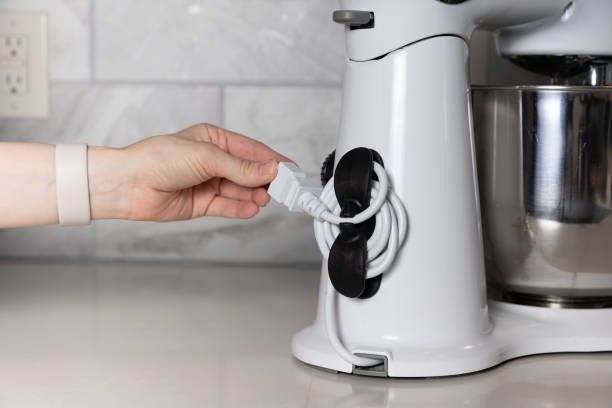
It wasn’t long before this innovation made its way into homes. In 1919, KitchenAid, a division of Hobart, introduced the H-5, the first domestic stand mixer. Housewives reportedly raved about its capabilities, claiming it was the “best kitchen aid,” thus giving the brand its iconic name. Over the decades, stand mixers have evolved, becoming more compact, stylish, and versatile, yet the core principles of power, precision, and planetary mixing remain at the heart of what makes the best stand mixer indispensable today.
Demystifying Stand Mixers: Types and Essential Accessories
When considering the best stand mixer for your needs, you’ll primarily encounter two main types, each with its unique advantages:
- Tilt-Head Models: These are perhaps the most common for home use. The motor head tilts back, allowing easy access to the bowl and attachments. They are generally smaller, lighter, and come in a wider array of colors, making them a popular choice for average-sized kitchens and everyday baking tasks like whipping cream, mixing cookie dough, and light cake batters.
- Bowl-Lift Models: Designed for heavier use and larger capacities, bowl-lift mixers feature a sturdy arm that raises and lowers the bowl into place. They tend to have more powerful motors and are often preferred by serious bakers who frequently tackle large batches of bread dough, stiff cookie dough, or dense batters. Their robust construction often translates to greater stability.
Regardless of the type, every stand mixer comes with a set of core attachments:
- Flat Beater (or Paddle Attachment): Your go-to for creaming butter and sugar, mixing batters for cakes and cookies, mashing potatoes, and even shredding cooked chicken. It’s the most versatile of the three.
- Wire Whisk (or Balloon Whisk): Perfect for incorporating air into mixtures. Think fluffy meringues, whipped cream, airy egg whites, and light batters.
- Dough Hook: Specifically designed for kneading yeast doughs like bread, pizza, and pasta. Its shape mimics hand-kneading, developing gluten structure for elastic and chewy results.
Beyond these essentials, many brands, especially those vying for the title of the best stand mixer, offer an impressive ecosystem of optional attachments. These can transform your mixer into a pasta maker, meat grinder, vegetable spiralizer, juicer, ice cream maker, and more, expanding its utility far beyond basic baking.
Beyond the Basics: Stand Mixer Features and Technology
What truly elevates a good stand mixer to the best stand mixer status are its underlying features and technology.
Motor Power and Drive System
- Wattage: This indicates the motor’s power. For light baking, 250-300 watts might suffice. However, for frequent bread making or thick doughs, look for 500 watts or more. Higher wattage generally means less strain on the motor and greater durability.
- Direct Drive vs. Belt Drive: Direct drive motors transfer power directly to the attachments, making them more efficient and quieter, often found in high-end models. Belt-driven motors use belts and gears, which can sometimes be louder but are generally more affordable to manufacture.
Planetary Mixing Action
This is the secret sauce. The beater spins on its axis while simultaneously rotating around the inside of the bowl, reaching every part of the mixture. This ensures consistent and thorough incorporation of ingredients, eliminating the need to constantly scrape down the sides manually. Any contender for the best stand mixer must excel in this fundamental aspect.
Speed Settings and Soft Start
Most stand mixers offer multiple speeds, usually ranging from 6 to 12 or more, allowing precise control for different tasks. A “soft start” feature is particularly useful, gradually increasing speed to prevent ingredients from splattering out of the bowl, keeping your kitchen cleaner.
Bowl Capacity and Materials
Stand mixer bowls typically range from 3.5 to 7 quarts. Choose a size that matches your typical batch sizes. Stainless steel is the most common and durable material, while glass bowls offer visibility but are heavier and more fragile.
Smart Features and Digital Controls
Some modern stand mixers include digital displays, built-in timers, and even smart connectivity for guided recipes. While not essential, these can enhance the user experience and offer a touch of high-tech convenience.
Mastering Your Mixer: Usage and Maintenance Tips
To get the most out of your stand mixer and ensure it remains the best stand mixer in your kitchen for years, proper usage and maintenance are key.
Proper Assembly and Attachment Use
- Always ensure the mixer is unplugged before attaching or removing any accessories.
- Match the correct attachment to the task: flat beater for mixing, whisk for aerating, dough hook for kneading.
- Ensure the attachment is securely locked into place to prevent it from coming loose during operation.
Loading Ingredients Efficiently
- Add dry ingredients gradually to avoid clouds of flour.
- For wet ingredients, pour them slowly, especially when the mixer is running, to ensure even incorporation.
- Start on a low speed and gradually increase it as ingredients combine, particularly with liquid mixtures.
Cleaning and Care for Longevity
- Most bowls and attachments are dishwasher safe, but always check your manufacturer’s instructions. Handwashing can prolong the life of some finishes.
- Wipe down the motor head and exterior with a damp cloth after each use. Avoid abrasive cleaners.
- “Regular cleaning prevents food build-up and keeps your mixer looking and performing its best,” advises David Chen, a veteran kitchen appliance engineer. “A little care goes a long way in maintaining its peak condition.”
Safety Precautions
- Never insert utensils or your fingers into the bowl while the mixer is running.
- Keep hair and loose clothing away from moving parts.
- Always unplug the mixer when not in use or when changing attachments.
The Sweet Rewards: Why Every Kitchen Needs a Stand Mixer
If you’re still on the fence, consider the undeniable benefits of owning the best stand mixer:
- Time-Saving and Effort Reduction: Imagine creaming butter and sugar for 5 minutes without arm fatigue, or kneading dough for 10 minutes while you prep other ingredients. A stand mixer frees up your hands and energy, making complex recipes more accessible.
- Consistent and Superior Results: The powerful motor and planetary mixing action ensure ingredients are thoroughly combined and properly aerated, leading to consistently better textures in everything from fluffy cakes to perfectly kneaded bread.
- Versatility for Various Culinary Tasks: With the right attachments, your stand mixer can do so much more than just mix. It can grind meat, make pasta, spiralize vegetables, and even prepare fresh ice cream, truly expanding your culinary horizons.
- Expanding Your Baking Repertoire: From delicate macarons to hearty sourdough, a stand mixer empowers you to tackle a wider range of recipes that might otherwise seem too daunting.
Choosing Your Culinary Companion: Factors to Consider When Buying the Best Stand Mixer
Selecting the best stand mixer is a personal journey. Here’s what to weigh before making your decision:
- Budget vs. Needs: High-end models offer superior power and features but come with a price tag. Define your baking frequency and complexity to find the sweet spot between cost and capability.
- Counter Space and Weight: Stand mixers are substantial appliances. Measure your available counter space and consider the mixer’s weight if you plan to move it frequently.
- Motor Power for Typical Tasks: If you bake bread often, prioritize higher wattage. For occasional cakes and cookies, a moderate motor is fine.
- Bowl Capacity: Match it to your typical batch size. A 5-quart bowl is generally good for most families.
- Attachment Ecosystem: If you envision using your mixer for more than just baking, research which brands offer the most extensive range of optional attachments.
- Noise Level: Some mixers are considerably louder than others. Look for reviews that specifically mention noise if this is a concern for you.
- Design and Aesthetics: Stand mixers are often on display. Choose a color and style that complements your kitchen decor.
[amz id="stand-mixer"]
Head-to-Head: A Comparison of Top Stand Mixer Brands
When discussing the best stand mixer, a few brands consistently rise to the top:
- KitchenAid: The undisputed icon. Known for its durable all-metal construction, extensive range of colors, and unparalleled ecosystem of attachments. The Artisan series is a popular choice for home bakers, while the Pro Line offers more power for heavy-duty tasks.
- Cuisinart: Often praised for its excellent balance of performance and value. Cuisinart stand mixers typically offer powerful motors, ample bowl capacities, and competitive pricing, making them a strong contender for those seeking quality without breaking the bank.
- Kenwood: A European favorite, Kenwood mixers are renowned for their robust motors and sophisticated features, often excelling in handling very large or stiff doughs. Models like the Chef XL series are powerful workhorses designed for serious bakers.
- Other Notable Brands: Breville offers innovative features and sleek designs. Smeg appeals with its retro aesthetic, while Bosch mixers are often lauded for their unique bowl-drive system and compact design.
Elevate Your Baking: Expert Tips and Tricks
Even with the best stand mixer, a few expert insights can make your baking even better:
- Pre-chill Your Bowl and Whisk: “For the fluffiest whipped cream or most stable meringues, chill your mixer bowl and whisk attachment in the freezer for 10-15 minutes before use,” recommends Chef Anya Sharma, an acclaimed pastry chef. “The cold helps the fats and proteins stabilize for perfect volume.”
- Always Scrape Down the Bowl: Even with planetary action, it’s a good habit to occasionally stop the mixer and scrape down the sides and bottom of the bowl with a spatula to ensure all ingredients are fully incorporated.
- Understand Dough Consistency: Don’t rely solely on recipe times for kneading. Learn to recognize when your dough is properly kneaded by its texture – elastic, smooth, and no longer sticky.
- Creative Uses Beyond Baking: Use your mixer to shred chicken for tacos, make homemade butter, whip up compound butters, or even prepare various dips and spreads. Its versatility is only limited by your imagination!
Troubleshooting Common Stand Mixer Problems
Even the best stand mixer might encounter a hiccup now and then. Here are some common issues and how to resolve them:
- Motor Overheating: If your mixer feels hot or emits a burning smell, it might be overworked, especially with very stiff doughs. Turn it off, unplug it, and let it cool down for at least 30 minutes. Reduce the batch size or consider a more powerful model for heavy tasks.
- Attachments Not Reaching the Bottom of the Bowl: This can result in unmixed ingredients at the bottom. Most stand mixers have an adjustment screw (usually located near the attachment shaft) to raise or lower the beater. Refer to your manual for precise instructions on how to adjust the beater-to-bowl clearance.
- Excessive Noise or Wobbling: A bit of noise is normal, especially at higher speeds or with heavy loads. However, if it’s unusually loud or wobbles excessively, ensure it’s on a flat, stable surface. Check that all attachments are securely fastened and the head is locked into place. Persistent issues might require professional servicing. “Don’t ignore unusual noises; they can be an early warning sign of a mechanical issue,” advises Mark Jansen, a certified appliance technician.
- Dough Climbing the Hook: This often happens with very sticky or wet doughs. Try dusting the dough lightly with flour or adding a little more flour, one tablespoon at a time, until it forms a cohesive ball around the hook without climbing up the shaft.
Frequently Asked Questions About Stand Mixers
Q1: What’s the fundamental difference between tilt-head and bowl-lift stand mixers?
Tilt-head mixers have a head that tilts back for easy access to the bowl and attachments, making them great for everyday use and smaller batches. Bowl-lift mixers feature a lever that raises and lowers the bowl, offering more stability and power, ideal for large batches and heavy doughs.
Q2: How much wattage do I truly need for the best stand mixer experience?
For occasional light baking, 250-300 watts can be sufficient. However, if you regularly make bread dough or stiff batters, aim for 500 watts or more to ensure optimal performance and motor longevity.
Q3: Can a stand mixer effectively knead bread dough, or do I still need to do it by hand?
Yes, a good stand mixer with a dough hook attachment is highly effective at kneading bread dough. It develops gluten efficiently, saving you significant effort and achieving consistent results often superior to hand-kneading.
Q4: How often should I clean my stand mixer, especially if I use it frequently?
It’s best to wipe down the exterior of your stand mixer after every use. Bowls and attachments should be cleaned immediately after use to prevent food from drying and becoming difficult to remove.
Q5: Are stand mixer attachments interchangeable between different brands?
Generally, no. Attachments are designed to fit specific brands and often specific models within those brands due to varying attachment ports and power take-off designs. Always check compatibility before purchasing third-party attachments.
Unleash Your Inner Baker: The Stand Mixer Awaits
The journey to finding the best stand mixer is an investment in your culinary passion. It’s not just another appliance; it’s a partner that simplifies tasks, inspires creativity, and consistently delivers superior results. From its humble industrial beginnings to its place as a cornerstone of modern home kitchens, the stand mixer continues to empower bakers of all levels. So, take the plunge, choose the mixer that best fits your lifestyle, and prepare to unlock a world of delicious possibilities. Your kitchen, and your taste buds, will thank you for it.