Stepping into the world of baking, whether as a seasoned pro or a passionate home cook, the desire for the perfect kitchen companion is universal. When it comes to stand mixers, one name consistently rises above the rest: KitchenAid. But with a dazzling array of models, finding the Best Kitchenaid Stand Mixer for your culinary adventures can feel like a quest. Fear not, because we’re about to dive deep into what makes these iconic machines a cornerstone of any serious kitchen, helping you pinpoint the ideal model that perfectly blends power, performance, and panache for your needs.
The Heart of Your Kitchen: Why a Stand Mixer is Indispensable
The story of the stand mixer is interwoven with the evolution of modern baking, and KitchenAid has been a pivotal player since its inception over a century ago. Initially designed for commercial use, the very first KitchenAid stand mixer revolutionized kitchens by taking the strain out of laborious tasks like kneading dough and whipping cream. This innovative appliance transformed baking from a strenuous chore into an accessible art form, quickly becoming a cherished tool for both professional chefs and home bakers alike.
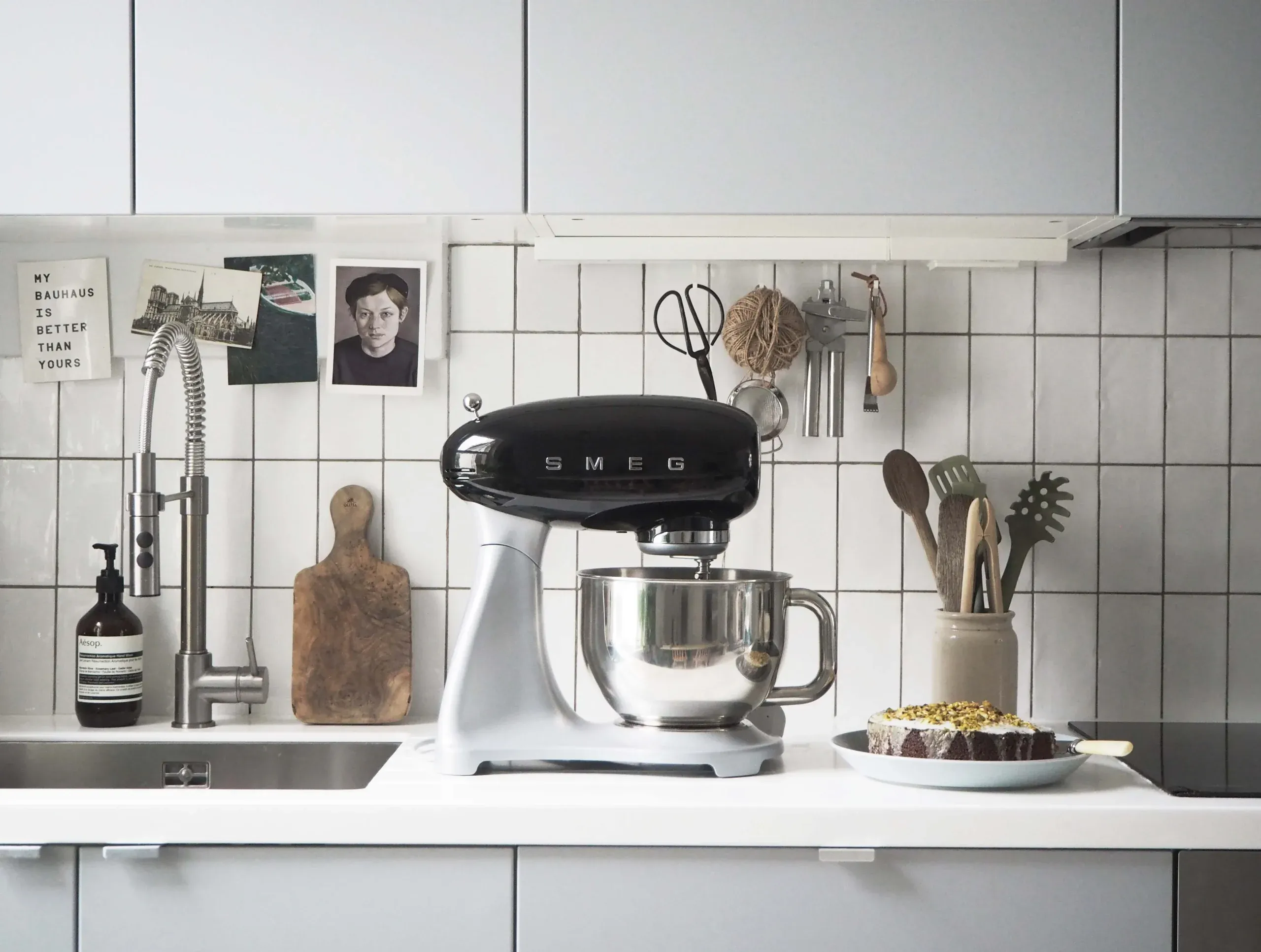
At its core, a stand mixer is about efficiency and versatility. It frees up your hands, allowing you to multitask while it methodically mixes, kneads, or whips your ingredients to perfection. From delicate meringues to robust bread doughs, the right stand mixer doesn’t just simplify tasks; it elevates the entire baking experience, opening up a world of culinary possibilities. It’s not just a gadget; it’s an investment in your kitchen’s capability and your own creative freedom.
Deciphering the “Best KitchenAid Stand Mixer”: Tilt-Head vs. Bowl-Lift
When you’re searching for the best KitchenAid stand mixer, one of the primary distinctions you’ll encounter is between the tilt-head and bowl-lift designs. Each offers unique advantages, catering to different kitchen setups and baking demands.
Tilt-Head Models: The Home Baker’s Favorite
Tilt-head stand mixers are often recognized by their iconic, rounded design and extensive color options. Their mixing head tilts back, providing easy access to the bowl and attachments, which makes adding ingredients or swapping tools a breeze. These models are typically a great fit for everyday baking and smaller to mid-sized batches.
KitchenAid Artisan Series (5-Quart)
The Artisan Series is arguably KitchenAid’s most beloved and popular line, and for good reason. With a robust 325-watt motor and a 5-quart capacity, it strikes an excellent balance between power and versatility, making it the go-to for many home bakers. It handles everything from cookie dough to cake batter with ease, and even lighter bread doughs are within its capability. What truly sets the Artisan apart, however, is its stunning aesthetic. Available in an astonishing array of over 40 colors, it’s not just an appliance; it’s a statement piece that can perfectly match or even define your kitchen décor. The tilt-head design also means it often fits neatly under most kitchen cabinets, a significant advantage for those with limited counter space.
KitchenAid Artisan Mini (3.5-Quart)
For bakers in compact kitchens or those who primarily tackle smaller batches, the Artisan Mini is a revelation. This smaller version of the Artisan boasts a 3.5-quart capacity and a 250-watt motor, yet it delivers surprising power for its size. It’s about 25% lighter and has a 20% smaller footprint than its full-sized sibling, making it ideal for apartments or homes where counter space is a premium. Don’t let its diminutive stature fool you; it’s perfectly capable of whipping up five dozen cookies in a single batch. Its tilt-head design offers the same user-friendliness in a more compact package.
KitchenAid Classic Series (4.5-Quart)
The Classic Series represents KitchenAid’s entry-level offering, providing solid performance at a more budget-friendly price point. Featuring a 4.5-quart capacity and a 275-watt motor, it’s a reliable choice for casual bakers who occasionally whip up cookies, cakes, and meringues. While it may not come with the extensive color palette of the Artisan, its straightforward functionality and durable construction make it an excellent starting point for those venturing into the world of stand mixing. It’s a workhorse that proves you don’t need all the bells and whistles for reliable baking.
Bowl-Lift Models: Powerhouses for Serious Bakers
Bowl-lift stand mixers are built for power and stability. Instead of the head tilting, the bowl attaches to sturdy arms and is then smoothly lifted into mixing position with a lever. This design provides enhanced stability, making these models ideal for handling very heavy, dense mixtures and larger batch sizes without shaking or straining the motor.
KitchenAid 7-Quart Bowl-Lift Stand Mixer
Often hailed as the ultimate choice for serious home bakers and culinary enthusiasts, the KitchenAid 7-Quart Bowl-Lift Stand Mixer is a true powerhouse. This model, frequently cited as the successor to popular discontinued Professional series mixers, features a robust 500-watt motor that effortlessly tackles stiff bread dough, pizza dough, and large quantities of batter. Its heavy-duty construction keeps it firmly planted on your countertop, even during the most demanding tasks. For those who frequently bake in large batches, experiment with artisan breads, or simply demand top-tier performance and durability, this model offers unparalleled strength and versatility. It often comes with a variety of beaters, including a silicone-lined one that excels at scraping the bowl clean.
Professional Series (General Characteristics)
While specific models like the Professional 600 have seen updates or discontinuation, the essence of the KitchenAid Professional series endures. These bowl-lift mixers are characterized by their higher wattage motors and larger capacities, often ranging from 6 to 7 quarts. They are designed for continuous, heavy-duty use, making them a favorite in bustling home kitchens and even light commercial settings. If your baking regularly involves multiple loaves of bread, large quantities of cookie dough, or extensive holiday preparations, a Professional series mixer is engineered to meet those rigorous demands with consistent, reliable performance. Their design prioritizes stability and raw power over a vast array of colors, focusing purely on getting the job done, no matter how tough.
Expert Insight: Choosing Your Mixer Style
“Choosing between a tilt-head and a bowl-lift KitchenAid really boils down to your baking habits and kitchen space,” explains Chef Alistair Finch, a renowned pastry chef and culinary consultant. “If you’re making a couple of dozen cookies or a standard cake once a week, an Artisan tilt-head is probably perfect. It’s versatile, looks fantastic, and is easy to manage. But if you’re regularly kneading multiple loaves of sourdough, batch-baking for a crowd, or working with very dense doughs, you’ll appreciate the sheer power and stability of a bowl-lift model like the 7-quart. They’re built like tanks for a reason – to handle serious work without breaking a sweat.”
Beyond the Basics: Key Features to Look For
Beyond the tilt-head versus bowl-lift debate, several other factors contribute to finding the best KitchenAid stand mixer for your unique culinary style.
Wattage and Motor Power
The wattage of a stand mixer’s motor is a good indicator of its power. While higher wattage generally means better performance with dense ingredients like bread dough, KitchenAid mixers are known for their efficient direct-drive motors, which deliver power effectively to the attachments. A 250-325 watt motor (found in Artisan Mini and Artisan models) is ample for most home baking tasks, while the 500-watt and higher motors in bowl-lift models are designed for heavy-duty, continuous use with challenging mixtures.
Capacity and Size
Consider how much you typically bake and how much counter space you have.
- 3.5-quart (Artisan Mini): Ideal for single-serving recipes, small batches, or kitchens with minimal space.
- 4.5-5 quart (Classic, Artisan): The most popular size, perfect for everyday home baking, handling standard recipes for cookies, cakes, and moderate amounts of dough.
- 6-7 quart (Professional Series): Best for large families, frequent entertainers, or serious bakers who regularly make big batches of bread, multiple cakes, or double recipes. Remember, larger mixers often require more counter clearance, especially bowl-lift models which tend to be taller.
Attachments and Accessories: Expanding Versatility
One of the most compelling reasons to invest in a KitchenAid stand mixer is its unparalleled versatility, thanks to its power hub. Every KitchenAid stand mixer is compatible with a vast array of optional attachments that transform your mixer into much more than just a baker’s tool.
- Standard Attachments: All KitchenAid mixers come with a flat beater (for batters), a dough hook (for kneading yeast doughs), and a wire whisk (for whipping air into eggs and cream). Many newer models also include a pouring shield to prevent splatters.
- Optional Power Hub Attachments: This is where the magic truly happens. You can purchase attachments to:
- Roll and cut fresh pasta
- Grind meats and stuff sausages
- Spiralize vegetables
- Make fresh ice cream
- Juice fruits and vegetables
- Sift and weigh ingredients automatically
- Even open cans!
These attachments significantly expand your culinary capabilities, making your KitchenAid stand mixer a true all-in-one kitchen machine.
Design and Aesthetics: Colors, Finishes, and Bowls
For many, a KitchenAid stand mixer is a prominent countertop appliance, and its appearance matters. KitchenAid excels in this area, particularly with its tilt-head models. The Artisan series, in particular, boasts a kaleidoscope of colors, from vibrant reds and blues to sophisticated matte finishes and subtle pastels. Beyond color, you can choose from various bowl materials—stainless steel (the most common), elegant glass, or even decorative ceramic, allowing you to truly personalize your mixer to reflect your style. Bowl-lift models, while more limited in color options, still offer a professional, high-performance aesthetic.
Maximizing Your Investment: Tips for Using and Maintaining Your KitchenAid
Once you’ve chosen the best KitchenAid stand mixer, knowing how to use and care for it will ensure it remains a cherished kitchen companion for years to come.
Proper Usage
- Start Slow: Always begin mixing on a low speed, especially when adding dry ingredients, to prevent clouds of flour. Gradually increase speed as ingredients incorporate.
- Don’t Overload: Respect your mixer’s capacity. Overloading it, especially with heavy doughs, can strain the motor and reduce its lifespan.
- Scrape Down the Bowl: Even with efficient planetary mixing action, it’s good practice to occasionally stop the mixer and scrape down the sides and bottom of the bowl to ensure all ingredients are thoroughly combined.
Cleaning and Care
Keeping your KitchenAid stand mixer clean is straightforward:
- Attachments & Bowls: Most stainless steel bowls, flat beaters, and dough hooks are dishwasher-safe. Wire whisks, however, should typically be hand-washed to maintain their shape and prevent discoloration. Always check your specific model’s manual.
- Mixer Head & Base: Wipe down the head and base of the mixer with a damp cloth after each use. Avoid abrasive cleaners that could damage the finish.
- Power Hub: Keep the power hub clean and dry. If you use attachments, ensure no food particles get lodged inside.
Troubleshooting Common Issues
- Loose Tilt-Head: If your tilt-head mixer seems wobbly, it might just need a simple adjustment. KitchenAid mixers usually have an adjustment screw (often located at the hinge) that can be tightened to stabilize the head. Refer to your manual for precise instructions.
- Mixer “Walking”: For tilt-head models working with very stiff dough, a slight “walking” or movement on the counter can occur. Ensure the mixer is on a stable, non-slip surface. Bowl-lift models are generally more stable for heavy tasks.
- Attachments Not Reaching: Sometimes, the beater might not be reaching the bottom of the bowl effectively. KitchenAid mixers have a simple adjustment screw (usually found near where the attachment connects) to fine-tune the beater-to-bowl clearance.
Is a KitchenAid Stand Mixer Worth the Investment?
Without a doubt, yes. A KitchenAid stand mixer is more than just an appliance; it’s a legacy piece, often passed down through generations. They are renowned for their robust, all-metal construction and powerful motors, designed to withstand years of rigorous use.
The upfront cost of a KitchenAid can be higher than other brands, but its durability, versatility, and the sheer joy it brings to your kitchen justify the investment. It transforms mundane cooking tasks into effortless pleasures, encourages creativity, and consistently delivers professional-quality results. From whipping up a quick batch of pancakes to crafting an elaborate wedding cake, your KitchenAid stand mixer will be there, ready to assist, inspire, and elevate every culinary endeavor.
Frequently Asked Questions (FAQ)
Q: Which KitchenAid mixer is best for making bread?
A: For frequent and heavy bread making, a bowl-lift model like the KitchenAid 7-Quart Bowl-Lift Stand Mixer or other Professional series models are highly recommended. Their more powerful motors and stable design handle dense doughs with superior efficiency and less strain compared to tilt-head models.
Q: Can all KitchenAid attachments fit every mixer?
A: Yes, with very few exceptions, all KitchenAid power hub attachments are designed to be universally compatible with every KitchenAid stand mixer model. This incredible feature allows you to expand your mixer’s capabilities as your culinary interests grow.
Q: What’s the best way to clean my KitchenAid mixer?
A: Most stainless steel bowls, flat beaters, and dough hooks are dishwasher-safe. However, the wire whisk generally requires hand washing to preserve its delicate wires. The mixer’s body should be wiped clean with a damp cloth, avoiding immersion in water.
Q: How do I know what size KitchenAid stand mixer I need?
A: Consider your typical batch sizes and kitchen space. A 3.5-quart Artisan Mini is great for small households or limited space, while a 4.5-5 quart Artisan or Classic is perfect for most home bakers. For large families, frequent entertaining, or heavy-duty baking, a 6-7 quart Professional series mixer is ideal.
Your Kitchen, Elevated
Choosing the best KitchenAid stand mixer is a deeply personal decision, influenced by your baking passions, kitchen space, and budget. But whether you opt for the versatile Artisan, the compact Mini, the powerful 7-Quart Bowl-Lift, or the reliable Classic, you’re investing in a piece of culinary history. These mixers don’t just mix ingredients; they inspire creativity, simplify complex recipes, and become an indispensable part of your kitchen’s story. So go ahead, explore the possibilities, and find the KitchenAid that will empower your baking journey, making every whisk, knead, and stir a pure delight. Your kitchen, and your baking, will thank you for it.