Every passionate baker knows the rhythmic hum of a stand mixer is more than just a sound; it’s the symphony of possibilities. If you’ve ever dreamt of effortlessly kneading bread dough, whipping up cloud-like meringues, or creaming butter and sugar to airy perfection without breaking a sweat, then finding the Best Stand Mixer For Baking isn’t just a purchase—it’s an investment in your culinary joy. As someone who has spent over 15 years immersed in professional baking equipment, from high-end restaurant kitchens to cozy home bakeries, I can tell you that the right stand mixer transforms your entire baking experience.
The Heart of Your Kitchen: Why Every Baker Needs a Stand Mixer
Let’s face it, your hands are amazing tools, but for consistency, power, and sheer efficiency, a stand mixer is a game-changer. Imagine multitasking with ease: while your mixer is diligently kneading a robust sourdough, you’re prepping your fillings or cleaning up. It’s about more than just saving your arm from fatigue; it’s about achieving results that are difficult, if not impossible, to replicate by hand. “A stand mixer is truly the unsung hero of the baking world,” says Chef Julianna Thorne, a celebrated pastry chef. “It provides the consistency needed for professional-quality bakes, every single time.” This isn’t merely a kitchen appliance; it’s a long-term partner designed to deliver consistent, professional-quality results, batch after delicious batch.
A Whirling Legacy: The Evolution of the Stand Mixer
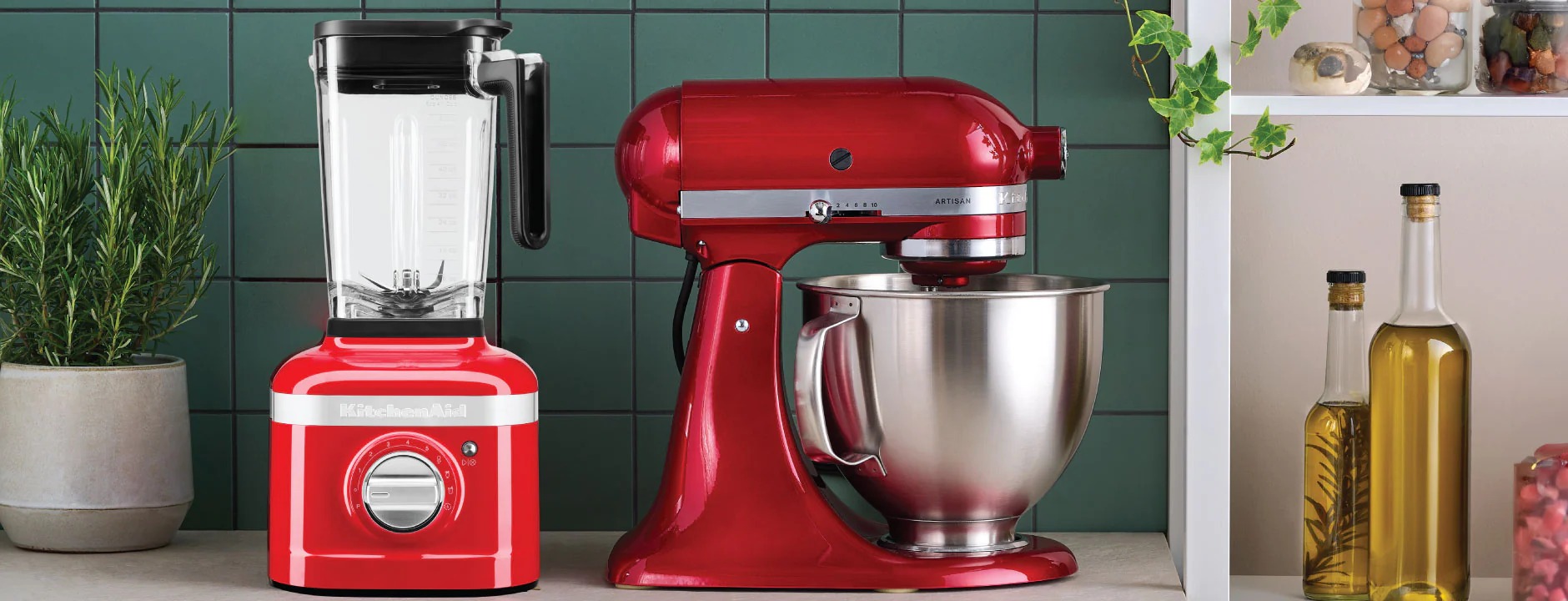
The concept of mechanical mixing dates back centuries, but the stand mixer as we know it began to take shape in the early 20th century. Brands like KitchenAid, originally an offshoot of the Hobart Manufacturing Company, pioneered the “planetary action” mixing style, where the beater rotates in one direction while whirling around the bowl in the other, ensuring every inch of your ingredients gets thoroughly incorporated. This ingenious design laid the groundwork for the robust and reliable machines we cherish today, continually evolving with more powerful motors, innovative attachments, and sleeker designs to meet the demands of modern bakers.
Decoding Stand Mixer Designs: Tilt-Head vs. Bowl-Lift
When you’re searching for the best stand mixer for baking, one of the first decisions you’ll encounter is between a tilt-head and a bowl-lift design. Each has its unique charms and optimal uses.
Tilt-Head Stand Mixers: The Everyday Baker’s Ally
Tilt-head mixers are characterized by a hinged head that tilts back, giving you easy access to the mixing bowl and attachments.
- Pros: This design is fantastic for home bakers who frequently add ingredients mid-mix, scrape down the sides of the bowl, or switch attachments often. They are generally more compact, making them a good fit for kitchens with limited counter space or for stowing away under cabinets. Their user-friendly nature and appealing aesthetic also make them a popular choice.
- Cons: While excellent for most tasks, some tilt-head models might show noticeable strain or wobble when tackling exceptionally heavy or large batches of dough, like multiple loaves of dense artisan bread.
- Ideal Use: Perfect for everyday baking tasks such as whipping up cookie dough, cake batters, frostings, and smaller batches of yeast dough.
Bowl-Lift Stand Mixers: The Powerhouse for Serious Dough
Bowl-lift mixers feature a fixed head, with the bowl securely attaching to arms that are then lifted into place using a lever.
- Pros: Renowned for their stability and power, bowl-lift mixers are the champions of heavy-duty mixing. They are engineered to handle large volumes and thick, dense doughs—think multiple batches of bread dough or stiff cookie dough—without a hint of complaint. The sturdy construction minimizes movement, even under heavy loads, providing a reliable and consistent mix.
- Cons: They tend to be larger and heavier, requiring more counter space and can be a bit more challenging to move around. Access to the bowl can also feel slightly less immediate than with a tilt-head model.
- Ideal Use: An absolute must for serious bread bakers, those who bake in large quantities, or for anyone regularly tackling demanding recipes.
Powering Your Passion: Motor Strength and Bowl Capacity
The heart of any stand mixer is its motor, and its size—the bowl capacity—determines the scale of your baking adventures.
What Wattage Really Means for Your Baking
While wattage is often touted as the ultimate measure of power, it’s not the only factor. A higher wattage doesn’t automatically mean better performance; it’s about how efficiently that power is delivered and maintained under load. For basic baking, a mixer with a minimum of 300 watts can get the job done. However, if your baking passion involves frequently kneading dense bread dough or making large batches of heavy batters, you’ll want to look for a model with at least 500 watts of power and, crucially, a robust gear system that can sustain speed without overheating or straining. “Don’t just chase the highest number,” advises culinary engineer, Dr. Elias Vance. “Look for torque and consistent performance; that’s where true power lies.”
Finding Your Sweet Spot: Choosing the Right Bowl Size
Stand mixer bowls come in a range of sizes, typically from 3.5 quarts to over 7 quarts.
- 3.5-Quart: Ideal for the casual baker or those with limited space. Perfect for single batches of cookies, small cakes, or whipping egg whites.
- 4.5- to 5-Quart: This is the sweet spot for most home bakers. It handles average-sized cake recipes, a batch or two of cookies, and standard bread recipes without feeling overwhelmed or underutilized.
- 7-Quart and Above: If you’re consistently baking for a crowd, running a small home baking business, or are a dedicated bread maker, these larger capacities offer the muscle and space you need for substantial batches.
Unlocking Culinary Creativity: Essential Attachments and Their Uses
The versatility of a stand mixer truly shines through its attachments. Most quality mixers come with three core tools, each designed for specific tasks.
The Versatile Flat Beater
Often your most-used attachment, the flat beater (or paddle attachment) is your workhorse for all things medium-density. Use it for creaming butter and sugar for cookies, mixing cake batters, making frostings, mashing potatoes, or even folding in dry ingredients into wet ones. Its broad surface ensures thorough incorporation without over-aerating.
The Aerating Wire Whip
Also known as a balloon whisk, this attachment is all about incorporating air. It’s indispensable for creating light and airy textures. Think magnificent meringues, perfectly peaked whipped cream, fluffy egg whites for soufflés, or light sponge cakes. Its delicate wires work magic by rapidly beating air into liquid ingredients.
The Indispensable Dough Hook
For any recipe involving yeast—bread, pizza dough, pasta dough, brioche—the dough hook is your best friend. It replicates the hand-kneading motion, developing gluten efficiently without all the elbow grease. There are typically two types: the C-shaped hook for smaller mixers and the spiral hook, often found on larger, more powerful machines, which is particularly effective for heavy doughs.
Optional Attachments: Expand Your Mixer’s Capabilities
Beyond the standard trio, many premium stand mixers offer an incredible array of optional attachments that transform them into multi-functional kitchen machines. Imagine grinding your own meat for gourmet burgers, making fresh pasta from scratch, churning homemade ice cream, or even spiralizing vegetables—all with the power base of your stand mixer. This extensibility makes a high-quality stand mixer one of the most versatile appliances you can own.
Top Contenders for the Best Stand Mixer for Baking
Based on years of testing, professional feedback, and countless hours in the kitchen, here are some of the standout models that consistently deliver for bakers.
KitchenAid: The Iconic Workhorse
A household name, KitchenAid mixers are beloved for their robust build, planetary mixing action, and iconic design.
- KitchenAid Artisan Series (5-Quart Tilt-Head): An all-around excellent choice for most home bakers. It excels at cakes, cookies, and lighter doughs. While it can handle bread, heavier doughs might sometimes cause it to “walk” slightly on the counter at higher speeds.
- KitchenAid 7-Quart Bowl-Lift Stand Mixer: This is the professional’s pick for home use. Its powerful motor and stable bowl-lift design make it ideal for tackling large batches of dense bread dough and heavy batters without a struggle. It’s a true workhorse.
- KitchenAid Artisan Mini (3.5-Quart Tilt-Head): For compact kitchens or those who bake smaller quantities, the Mini offers the classic KitchenAid experience in a more petite footprint. It’s surprisingly mighty for its size, perfect for whipping cream or a single batch of cookies.
Ankarsrum: The Bread Baker’s Dream Machine
This Swedish marvel stands apart with its unique design where the bowl rotates on a base, while a roller and scraper mix the ingredients.
- Ankarsrum Original Mixer: It is consistently praised as one of the best stand mixers for baking yeast doughs. Its powerful motor and gentle kneading action are unparalleled for bread, sourdough, and heavy batters, creating perfectly developed gluten structures. “The Ankarsrum handles dough like a dream,” shares baker Liam O’Connell. “I’ve never had a mixer that produces such consistent, beautiful bread.” It’s an investment, but a worthwhile one for serious bread makers.
Cuisinart & Kenwood: Strong Performers
- Cuisinart Stand Mixers: Often offer powerful motors at competitive price points. Models like the Cuisinart Precision Master are well-regarded for their performance in various baking tasks, including cookie dough and whipped cream.
- Kenwood Chef/Titanium Series: Particularly popular in the UK and Europe, Kenwood mixers are known for their high wattage, robust construction, and wide range of attachments. They often feature built-in lights and timers, making them a favorite for both general baking and more specific tasks.
Budget-Friendly Options: Hamilton Beach & Aucma
If you’re just starting your baking journey or have an occasional need for a stand mixer without a significant investment, brands like Hamilton Beach and Aucma offer capable alternatives. While they might not have the long-term durability or brute force of premium models, they can competently handle lighter tasks like whipping cream, mixing simple cake batters, and cookie dough. Just be mindful that they may struggle with heavier, stickier doughs, and their motor longevity might not match their high-end counterparts.
Mastering Your Mixer: Tips for Optimal Performance and Longevity
Having the best stand mixer for baking is only half the battle; knowing how to use and care for it ensures a lifetime of happy baking.
Prepping Ingredients Right
Always ensure butter is softened (not melted) for creaming, and eggs are at room temperature. This helps ingredients incorporate smoothly and creates the desired texture. Adding ingredients gradually, especially dry ones, prevents flour clouds and ensures even mixing.
Smart Speed Control
Start slow! A “slow start” or “gentle fold” setting is invaluable for preventing ingredients from scattering all over your kitchen, especially when adding flour. Gradually increase speed as needed, and resist the urge to crank it to max for prolonged periods, especially with heavy doughs.
Scraping Down the Bowl
Even the best planetary action mixers can miss a bit of flour or butter clinging to the sides or bottom of the bowl. Pause occasionally to scrape down the bowl with a spatula, ensuring all ingredients are fully incorporated for a uniform texture. This is especially crucial for batters and cookie dough.
Cleaning and Maintenance
Regular cleaning is key. Most bowls and attachments (flat beater, dough hook) are dishwasher safe, but always check your manual. Wire whisks often require handwashing to maintain their shape and prevent rust. Wipe down the mixer head and base immediately after use to prevent sticky residue from hardening. For bowl-lift models, a quick wipe-down of the lifting arms is also a good habit.
Troubleshooting Common Baking Hiccups
- Mixer Wobbling/Jumping: This usually indicates too heavy a load or too high a speed for a dense dough. Reduce the batch size or lower the speed. Bowl-lift models generally offer more stability for heavy tasks.
- Unmixed Ingredients at the Bottom: Your beater might not be reaching the bottom of the bowl. Many mixers allow for height adjustment of the attachments. Consult your manual for instructions on how to adjust the beater-to-bowl clearance.
- Overheating: If your mixer feels hot or smells like burning, turn it off immediately. You might be overworking the motor with a too-heavy dough or for too long. Let it cool down before attempting to mix again.
Your Stand Mixer, Your Baking Journey: A Concluding Thought
Choosing the best stand mixer for baking is a personal journey, deeply intertwined with your baking habits, kitchen space, and budget. Whether you opt for the iconic versatility of a KitchenAid Artisan, the dough-kneading prowess of an Ankarsrum, or a robust bowl-lift model, you’re investing in a tool that will empower your creativity, save you time, and consistently help you achieve your baking aspirations. So go ahead, find the perfect partner for your kitchen adventures, and prepare to whip up some magic!