Stepping into the world of baking and cooking can be a wonderfully rewarding journey, but sometimes, a little help goes a long way. That’s where the iconic KitchenAid stand up mixer glides in, transforming tedious tasks into effortless culinary creations. If you’ve ever dreamt of whipping up airy meringues, kneading perfect bread dough, or simply mixing a cake batter with ease, then you’re about to discover your new best friend in the kitchen.
The Enduring Legacy: A Brief History of the Stand Mixer
Believe it or not, the story of the stand mixer begins not in a home kitchen, but in an industrial setting. The concept was born in 1908 when Herbert Johnston, an engineer at the Hobart Corporation, observed a baker struggling with the arduous task of mixing dough by hand. He envisioned a better, mechanical way. By 1914, Hobart launched its industrial model, which quickly found its way onto every U.S. Navy ship by 1917.
The leap to the home kitchen came in 1919 with the introduction of the Model H-5. The name “KitchenAid” itself was reportedly coined by an executive’s wife, who, after testing a prototype, exclaimed, “I don’t care what you call it, but I know it’s the best kitchen aid I’ve ever had!” This appliance promised to be a true “food preparation tool,” thanks to early attachments for slicing and straining. The recognizable, sleek silhouette we know today was perfected in the 1930s by designer Egmont Arens with the Model “K,” a design so timeless that attachments from that era are still compatible with modern machines. Eventually, Whirlpool Corporation acquired the brand in 1986, continuing its legacy as a cornerstone of kitchens worldwide.
Unveiling the Powerhouse: What is a KitchenAid Stand Up Mixer?
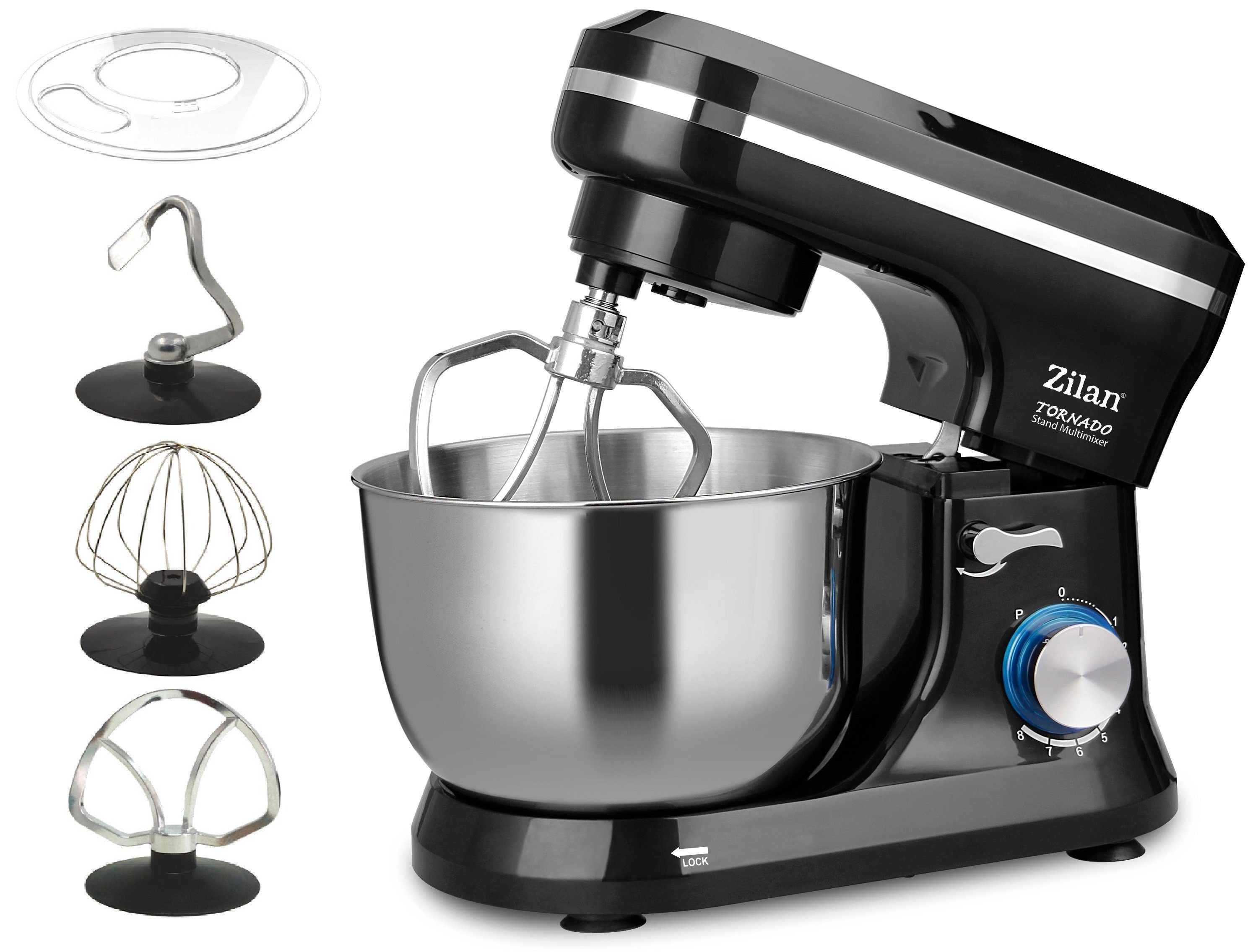
At its core, a KitchenAid stand up mixer is an electric mixing appliance designed to streamline and simplify a multitude of kitchen tasks. Unlike a hand mixer, it operates hands-free, allowing you to prep other ingredients or simply relax while it works its magic. The secret to its efficiency lies in its “planetary mixing action.” This isn’t just a fancy term; it means that the beater rotates in one direction while it simultaneously orbits the bowl in the opposite direction. This ensures that every inch of the bowl is covered, leading to thorough and consistent mixing without you having to constantly scrape down the sides.
“It’s like having an extra set of incredibly strong, tireless hands in the kitchen,” says Chef Anya Sharma, a renowned pastry chef and KitchenPro consultant. “The planetary action is a game-changer for uniform results, whether you’re making a delicate mousse or a dense sourdough.”
Choosing Your Culinary Companion: Tilt-Head vs. Bowl-Lift Designs
When you start looking for a KitchenAid stand up mixer, you’ll quickly notice two primary designs: the tilt-head and the bowl-lift. Each offers distinct advantages, catering to different baking styles and kitchen setups.
Tilt-Head Stand Mixers
- What it is: The mixer head tilts back, giving you easy access to the mixing bowl and attachments.
- Ideal for: Home bakers tackling everyday recipes like cookies, cakes, and lighter batters. They typically come in smaller to mid-range capacities (3.5 to 5 quarts).
- Pros: Easier to add ingredients and swap out attachments, often more compact and can tuck neatly under most kitchen cabinets. Available in a vast array of vibrant colors.
- Cons: Less stable with very heavy or large batches compared to bowl-lift models.
Bowl-Lift Stand Mixers
- What it is: The mixing bowl is secured onto two sturdy arms, and a lever raises and lowers the bowl into mixing position. The head remains stationary.
- Ideal for: Serious bakers, those who bake large quantities, or frequently work with heavy, dense doughs like bread, pizza, or stiff cookie dough. They generally offer larger capacities (5.5 to 7 quarts and up).
- Pros: Exceptional stability and power for heavy loads, more robust motor for demanding tasks.
- Cons: Can be taller, requiring more countertop clearance. Accessing the bowl for scraping might feel slightly less convenient for some users.
Beyond Mixing: Essential KitchenAid Attachments and Their Magic
One of the most compelling reasons to invest in a KitchenAid stand up mixer is its incredible versatility, largely thanks to its power hub and extensive range of attachments. Your mixer is not just for mixing; it can become a pasta maker, a meat grinder, a vegetable spiralizer, and so much more!
Standard Attachments (Usually Included):
- Flat Beater: Your go-to for creaming butter and sugar, mixing batters (cakes, cookies), mashing potatoes, and even shredding cooked chicken.
- Wire Whisk: Perfect for aerating ingredients, like whipping egg whites into stiff peaks for meringues, making homemade whipped cream, or creating light, fluffy frostings.
- Dough Hook: Specifically designed to knead yeast doughs for bread, pizza, and pasta, saving your arms from a strenuous workout.
Popular Optional Attachments (Sold Separately):
- Pasta Rollers & Cutters: Transform your mixer into an artisan pasta maker, creating fresh lasagna sheets, fettuccine, or spaghetti.
- Food Grinder: Grind your own meats for burgers or sausages, or even make homemade breadcrumbs.
- Spiralizer: Turn fruits and vegetables into spirals for healthy meals or garnishes.
- Ice Cream Maker: Churn out homemade ice cream, sorbet, or gelato right in your KitchenAid bowl.
- Food Processor Attachment: Dice, slice, shred, and julienne with ease, often eliminating the need for a separate food processor appliance.
“The attachment ecosystem is what truly sets KitchenAid apart,” explains culinary technologist Dr. Elena Petrova. “It’s not just a mixer; it’s a modular culinary system that evolves with your skills and needs.”
The Heart of the Mixer: Understanding Power and Capacity
When selecting your KitchenAid stand up mixer, understanding its power and bowl capacity is crucial for matching it to your typical kitchen tasks.
- Motor Power (Watts): While wattage gives you an idea, it’s not the only factor. KitchenAid mixers are renowned for their direct-drive motors, which efficiently transfer power to the attachments. Look for mixers with at least 300 watts for general baking, and upwards of 500 watts if you plan on regularly tackling dense bread doughs. A robust motor ensures the mixer can maintain speed even under heavy loads, preventing strain and extending its lifespan.
- Bowl Capacity (Quarts):
- 3.5 Quarts (e.g., Artisan Mini): Perfect for small batches, single servings, or kitchens with limited space. Can handle dough for about 5 dozen cookies.
- 4.5-5 Quarts (e.g., Classic, Artisan): The most popular and versatile size for most home bakers. Ideal for everyday recipes like a standard cake or a batch of cookies.
- 5.5-7+ Quarts (e.g., Bowl-Lift Professional Series): Designed for large families, frequent entertainers, or serious bread bakers. These can manage multiple loaves of bread or huge batches of cookie dough.
Elevate Your Everyday: The Benefits of Owning a KitchenAid Stand Up Mixer
Having a KitchenAid stand up mixer on your counter is more than just a status symbol; it’s a commitment to efficiency, quality, and culinary adventure.
- Hands-Free Convenience: The biggest benefit is the freedom to multitask. While your mixer is kneading dough, you can prepare other ingredients, clean up, or simply enjoy a cup of coffee.
- Consistent, Professional Results: The planetary mixing action ensures ingredients are thoroughly combined, leading to better texture and consistency in your baked goods every time. No more unevenly mixed batters!
- Unmatched Versatility: With its array of attachments, your stand mixer can perform dozens of tasks, consolidating multiple appliances into one powerful unit.
- Durability and Longevity: KitchenAid mixers are famous for their robust, all-metal construction. Many bakers consider them a lifelong investment, often passed down through generations.
- Inspires Creativity: With the effort taken out of mixing, you’ll feel more encouraged to try new recipes, experiment with challenging techniques, and expand your culinary repertoire.
Smart Shopping: Key Considerations When Buying Your KitchenAid Stand Up Mixer
Ready to bring a KitchenAid stand up mixer into your home? Here’s what to ponder before making your choice:
- Your Baking Habits: Are you an occasional baker, a weekly bread maker, or someone who bakes in bulk for events? Your frequency and volume will guide your capacity and power needs.
- Kitchen Space: Tilt-head models generally fit better under cabinets. Bowl-lift models are taller and heavier, often needing a permanent, dedicated spot. Measure your counter space and cabinet clearance!
- Budget: KitchenAid stand mixers are an investment. Prices vary widely based on model, capacity, and features. Consider it a long-term purchase that pays dividends in convenience and performance.
- Aesthetics: Let’s be honest, the vast color palette of KitchenAid mixers is part of their charm! From classic whites and blacks to vibrant reds, blues, and even unique limited editions, you can find a mixer that perfectly complements your kitchen decor.
- Included Attachments: While many attachments are sold separately, check what comes standard with your chosen model. Basic models usually include the flat beater, wire whisk, and dough hook.
Mastering Your Mixer: Tips for Optimal Use and Care
Getting the most out of your KitchenAid stand up mixer means using it correctly and keeping it well-maintained.
Using Your Mixer Effectively:
- Start Slow: Always begin mixing at a low speed to incorporate ingredients before gradually increasing it. This prevents splattering and ensures a cleaner kitchen.
- Scrape the Bowl: Even with planetary action, occasionally stopping to scrape down the sides of the bowl ensures all ingredients are fully incorporated, especially with thicker batters.
- Don’t Overmix: Pay attention to recipe instructions. Overmixing can lead to tough baked goods, especially with flour-based recipes.
- Load Appropriately: Don’t overload your mixer beyond its recommended capacity, especially with heavy doughs, as this can strain the motor.
Caring for Your Mixer:
- Clean Immediately: Wipe down the mixer head and base after each use.
- Attachment Care: Most standard attachments (flat beater, dough hook, wire whisk) are dishwasher safe, but always check your manual. Some specialized attachments might require handwashing.
- Bowl Care: Stainless steel bowls are typically dishwasher safe. Glass bowls require careful handling.
- Storage: If storing in a cabinet, ensure it’s a safe, dry place. If keeping it on the counter, a mixer cover can protect it from dust.
A Glimpse at the Top: Popular KitchenAid Stand Up Mixer Models
KitchenAid offers a range of models, each designed with specific needs in mind:
- KitchenAid Artisan Series: Often considered the “sweet spot” for most home bakers. This 5-quart tilt-head model combines power, capacity, and an extensive color palette, making it a perennial favorite.
- KitchenAid Classic Series: A more entry-level, 4.5-quart tilt-head mixer, perfect for beginners or those with simpler baking needs. It’s a reliable workhorse for basic tasks.
- KitchenAid Artisan Mini: For compact kitchens or smaller households, this 3.5-quart tilt-head mixer offers KitchenAid quality in a lighter, smaller footprint.
- KitchenAid Professional 600 Series / 7-Quart Bowl-Lift: These heavy-duty bowl-lift models are built for serious volume and power, ideal for large families, frequent entertaining, or professional-grade baking at home.
Frequently Asked Questions about KitchenAid Stand Up Mixers
Q: What’s the main difference between a tilt-head and a bowl-lift KitchenAid mixer?
A: A tilt-head mixer’s head tilts back for easy bowl access, making it great for everyday baking and smaller batches. A bowl-lift mixer has a stationary head, with the bowl raised and lowered by a lever, offering more stability and power for large, heavy doughs.
Q: Can all KitchenAid attachments fit on any KitchenAid stand up mixer?
A: Most power hub attachments are universally compatible with all KitchenAid stand mixers produced since 1919. However, bowl-specific accessories like the glass bowl or ice cream maker attachment might only fit certain mixer sizes or types (tilt-head vs. bowl-lift).
Q: How much wattage do I really need in a KitchenAid stand up mixer?
A: While higher wattage often indicates more power, KitchenAid’s direct-drive motors are highly efficient. For general home baking, 300-325 watts is usually sufficient. If you frequently make stiff bread doughs, consider 450-500+ watts for optimal performance and motor longevity.
Q: Are KitchenAid stand up mixers worth the investment?
A: Many home bakers and culinary professionals agree that a KitchenAid stand up mixer is a worthwhile investment due to its durability, versatility, and ability to consistently produce high-quality results. Its long lifespan and wide range of functions often justify the initial cost.
Q: How do I clean my KitchenAid stand up mixer and its attachments?
A: For the mixer body, simply wipe it down with a damp cloth. Most stainless steel bowls, flat beaters, and dough hooks are dishwasher safe. Wire whisks often benefit from handwashing to maintain their shape. Always consult your specific model’s manual for detailed care instructions.
Conclusion
The KitchenAid stand up mixer is more than just an appliance; it’s an indispensable partner in the kitchen, a catalyst for creativity, and a testament to enduring design and functionality. Whether you’re a seasoned chef or just beginning your baking adventures, choosing the right model opens up a world of culinary possibilities. From its storied past to its modern innovations, this kitchen icon continues to inspire bakers to push their boundaries and find joy in the art of making. So, go ahead, explore the vibrant world of KitchenAid, and let your culinary dreams take flight with the perfect KitchenAid stand up mixer by your side.