Ever walked into a kitchen and seen that iconic, vibrant appliance sitting proudly on the counter? That’s right, we’re talking about the Kitchenaid Stand Mixer, a true legend in the culinary world. More than just a pretty face, this workhorse has been a cornerstone of baking and cooking for generations, transforming arduous tasks into joyful experiences. Whether you’re a seasoned chef or just starting your baking journey, understanding the ins and outs of your KitchenAid stand mixer can truly elevate your kitchen game. Let’s dive deep into why this machine isn’t just an appliance, but a vital companion for any passionate food creator.
The Storied History of an Icon
The story of the KitchenAid stand mixer began over a century ago, sparked by a simple observation. In 1908, Herbert Johnston, an engineer at the Hobart Corporation in Ohio, watched a baker struggle with a heavy iron spoon to mix dough. He thought, “There has to be a better way!” This moment of inspiration led to the development of the first commercial mixer. By 1914, the enormous 80-quart Hobart Model H was on the market, serving commercial bakeries and even the U.S. Navy.
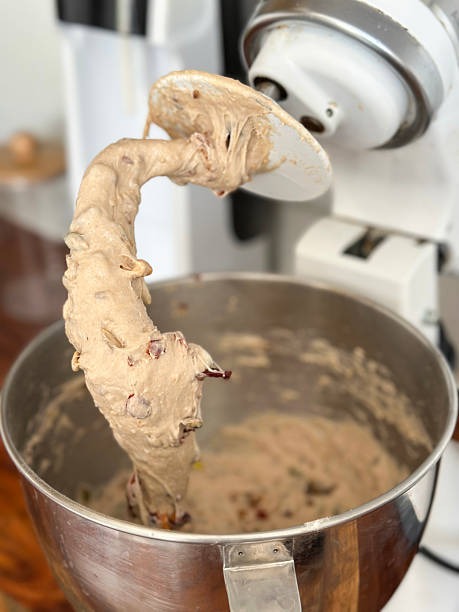
The leap to home kitchens came shortly after. In 1919, the Hobart Model H-5, the first household mixer with its unique planetary mixing action, was introduced. The name “KitchenAid” itself was born when one of the wives of Hobart executives, testing the new machine, exclaimed, “I don’t care what you call it, it’s the best kitchen aid I’ve ever had!” That phrase stuck, becoming the trademark we know and love today. The iconic silhouette we recognize was designed by Egmont Arens in the 1930s with the Model “K,” a design so timeless that attachments from that era are still compatible with modern KitchenAid stand mixer models. Since then, the KitchenAid stand mixer has evolved, introducing a rainbow of colors in 1955 and continuously innovating with new models and attachments, solidifying its place in kitchens worldwide.
Deciphering the Main Types of KitchenAid Stand Mixers
When it comes to choosing a KitchenAid stand mixer, you’ll primarily encounter two design philosophies: tilt-head and bowl-lift. Each has its unique charm and benefits, catering to different kitchen needs and baking styles.
- Tilt-Head Stand Mixers: These are perhaps the most recognizable models, such as the ever-popular KitchenAid Artisan stand mixer. The head of the mixer tilts back, allowing easy access to the bowl and attachments. They typically come in capacities from 3.5 to 5 quarts. The Artisan Series, known for its extensive color palette, is a favorite among home bakers for everyday tasks like whipping cream, mixing cookie dough, and light bread kneading. The KitchenAid Classic stand mixer is another tilt-head option, often considered the entry-level model, perfect for occasional bakers or those with smaller kitchens. Its 4.5-quart bowl is suitable for standard recipes, though it generally has a less powerful motor than the Artisan. The Artisan Mini offers a compact 3.5-quart option for smaller batches or limited counter space.
- Bowl-Lift Stand Mixers: These robust machines feature a stationary head, with the bowl securely attached to arms that lift into place. Models like the KitchenAid Professional 5 Plus and Pro Line Series fall into this category. They are designed for heavier, denser doughs and larger batches, boasting more powerful motors (often 500 watts or higher) and capacities ranging from 5 to 7 quarts. “If you’re making multiple loaves of sourdough or baking for a crowd, a bowl-lift KitchenAid stand mixer is an absolute game-changer,” says Chef Isabella Rossi, a renowned pastry instructor. “Its stability and power make light work of even the most challenging doughs.” These are often preferred by serious home bakers and culinary professionals due to their durability and capacity to handle demanding tasks.
Essential Attachments and Accessories
Beyond the standard flat beater, wire whip, and dough hook that come with every KitchenAid stand mixer, the true versatility lies in its extensive range of attachments. The “power hub” on the front of every KitchenAid stand mixer allows it to transform into a multi-functional kitchen machine.
- Core Attachments:
- Flat Beater: Ideal for general mixing, creaming butter and sugar, mixing batters, and making frostings.
- Wire Whip: Perfect for incorporating air into ingredients, like whipping cream, egg whites for meringues, or light batters.
- Dough Hook: Essential for kneading yeast doughs for bread, pizza, or pasta, saving your hands from strenuous work.
- Specialized Attachments (Power Hub): These are where your KitchenAid stand mixer truly shines, expanding its capabilities far beyond simple mixing:
- Pasta Maker Attachments: Roll and cut fresh pasta sheets, spaghetti, or fettuccine.
- Food Grinder: Grind meats for burgers, sausages, or even vegetables.
- Slicer/Shredder: Quickly slice vegetables, shred cheese, or process fruits.
- Spiralizer: Create healthy vegetable noodles and ribbons from fruits and vegetables.
- Ice Cream Maker: Churn homemade ice cream, sorbet, or frozen yogurt right in your mixer bowl.
- Juicer and Sauce Attachment: Extract fresh juices or make purees and sauces.
- Grain Mill: Grind whole grains into flour for fresh baking.
“The beauty of a KitchenAid stand mixer isn’t just its mixing prowess; it’s the ecosystem of attachments that turn it into an all-in-one culinary center,” explains Liam Chen, a kitchen appliance expert and long-time blogger at ‘Gadget & Gourmand.’ “From fresh pasta to homemade ice cream, it empowers you to create with ease.”
Unpacking Key Features and Technologies
What makes a KitchenAid stand mixer so effective? It’s a combination of thoughtful design and robust engineering:
- Planetary Mixing Action: This signature feature ensures thorough mixing. The beater rotates in one direction while whisking and turning in the other, moving to 59 distinct points around the bowl. This action ensures ingredients are incorporated evenly, leaving no unmixed pockets.
- Powerful Motors: KitchenAid stand mixers typically feature powerful direct-drive motors, ranging from 250 watts in smaller models to over 500 watts in professional series. These motors are designed for durability and efficiency, handling everything from delicate meringues to heavy bread doughs with ease.
- 10-Speed Control: Most models offer 10 speeds, giving you precise control over your mixing tasks, from a gentle stir to a fast whip. Some even include a “soft start” feature to prevent ingredients from splattering when beginning a mix.
- Durable Construction: Built with all-metal construction and steel gears, KitchenAid stand mixers are renowned for their longevity. They are truly designed to be kitchen heirlooms, passed down through generations.
Mastering Your KitchenAid: Usage and Maintenance Tips
Getting the most out of your KitchenAid stand mixer involves a few best practices.
- Optimal Usage:
- Scrape Down Regularly: Even with planetary action, occasionally stopping to scrape down the sides and bottom of the bowl ensures every ingredient is fully incorporated.
- Don’t Overfill: Respect your mixer’s bowl capacity to prevent spills and strain on the motor.
- Adjust Beater Height: If your beater isn’t reaching the bottom of the bowl or is scraping it, you can easily adjust its height using the screw located near the mixer head. A simple “dime test” can help: place a dime in an empty bowl, lower the head, and run on speed 1; the beater should push the dime around slowly.
- Effective Maintenance:
- Cleaning: Most standard attachments (flat beater, dough hook, wire whip) are dishwasher safe, though handwashing is recommended for coated attachments to preserve their finish. Always consult your manual. Wipe down the mixer head and base with a damp cloth after each use.
- Lubrication: Over time, the food-grade grease inside the gear housing can break down. If you notice grinding noises or sluggish performance, regreasing might be necessary. This is a more advanced DIY task, so consider professional servicing if uncomfortable.
- Storage: Store your KitchenAid stand mixer with its attachments clean and dry. Many users opt for mixer covers to protect against dust.
The Undeniable Benefits of a KitchenAid Stand Mixer
Owning a KitchenAid stand mixer isn’t just about convenience; it’s about unlocking culinary potential.
- Time and Effort Savings: Say goodbye to sore arms and lengthy hand-mixing sessions. Your KitchenAid stand mixer handles repetitive tasks, freeing you up for other kitchen activities.
- Consistent Results: The planetary mixing action ensures ingredients are perfectly combined, leading to more uniform batters, doughs, and creams every time.
- Versatility: With its power hub and array of attachments, it’s not just a mixer but a food processor, pasta maker, meat grinder, and more, consolidating multiple appliances into one powerful unit.
- Durability and Longevity: These machines are built to last, often becoming cherished kitchen staples that stand the test of time.
- Aesthetic Appeal: Available in a stunning array of colors and finishes, a KitchenAid stand mixer can be a beautiful statement piece that complements any kitchen decor.
What to Consider When Choosing Your KitchenAid Stand Mixer
Selecting the perfect KitchenAid stand mixer involves weighing a few key factors to match your baking habits and kitchen space:
- Capacity: How much do you typically bake?
- 3.5-quart (Mini): Ideal for small batches, single households, or limited counter space.
- 4.5-5 quart (Classic, Artisan): The sweet spot for most home bakers, handling standard recipes and medium batches.
- 6-7 quart (Professional, Pro Line): Best for large families, frequent entertainers, or serious bakers tackling big batches and heavy doughs.
- Motor Power: While wattage isn’t the only indicator of power, higher wattage generally means better handling of dense doughs. Tilt-head models typically range from 250-325 watts, while bowl-lift models can go up to 575 watts or more.
- Tilt-Head vs. Bowl-Lift:
- Tilt-Head: Easier to add ingredients, scrape the bowl, and change attachments. More compact for storage.
- Bowl-Lift: More stable and powerful, better for heavy-duty tasks and larger capacities. Tends to be taller.
- Attachments: Consider which specialized tasks you’d like your mixer to perform. While all modern KitchenAid stand mixer models are compatible with the power hub attachments, some older models or bowl designs might have slight differences in basic attachments like dough hooks.
- Budget and Aesthetics: KitchenAid stand mixers come at various price points and in a dazzling array of colors. Choose one that fits your budget and brings joy to your kitchen counter.
Comparing Leading KitchenAid Stand Mixer Series
While there are other stand mixer brands on the market, KitchenAid often stands as the benchmark. Within the KitchenAid family, however, there are distinct series tailored for different users:
| Feature | KitchenAid Classic Series | KitchenAid Artisan Series | KitchenAid Professional Series |
|---|---|---|---|
| Design | Tilt-Head | Tilt-Head | Bowl-Lift |
| Capacity | 4.5 Quarts | 5 Quarts | 5-7 Quarts |
| Motor Wattage | 250-275 Watts | 325 Watts | 525-575+ Watts |
| Best For | Beginner/Occasional Bakers | Everyday/Enthusiast Bakers | Serious Bakers/Large Batches |
| Color Options | Limited | Widest Variety | Moderate |
| Key Advantage | Affordability, compact | Balance of power, versatility, style | Power, stability, high capacity |
Please note that specifications can vary slightly by specific model and year.
Handy Tips and Tricks for Your KitchenAid Stand Mixer
- Reverse Dough Hook for Better Kneading: For sticky doughs, try attaching the dough hook backward. Some bakers find this creates a more efficient kneading motion, pulling the dough off the sides of the bowl.
- Use the Pouring Shield: This accessory, often included with your KitchenAid stand mixer, is a lifesaver for preventing flour clouds and splatters when adding dry ingredients.
- Chill Your Bowl and Whisk: For perfectly whipped cream or fluffy meringues, chill your mixing bowl and wire whip in the freezer for 10-15 minutes before use.
- Gradually Increase Speed: Start on the lowest speed (“Stir”) and slowly increase to avoid splashing ingredients and to ensure everything is incorporated smoothly.
Tackling Common Issues and Troubleshooting Your Mixer
Even the most reliable KitchenAid stand mixer might have an off day. Here are some common problems and their quick fixes:
- Mixer Not Turning On: First, check the power outlet and cord for damage. If the motor sounds like it’s running but the attachments aren’t spinning, it might be a broken worm gear inside – this usually requires professional attention.
- Attachments Not Spinning Properly or Making Noise: This could indicate worn planetary gears or a problem with the beater height. Perform the “dime test” to adjust the height. Grinding or clicking sounds often suggest dry or worn gears that need regreasing or replacement.
- Oil/Grease Leaking: Small amounts of oil seepage, especially after heavy use, can be normal as the grease settles. However, significant or continuous leaking indicates worn seals or grease breakdown, requiring service and regreasing.
- Mixer Head Won’t Lock (Tilt-Head Models): Check for food debris or buildup around the locking mechanism. Clean it thoroughly, ensure the head is fully lowered, and inspect the latch spring for wear.
- Bowl Not Locking in Place: Similar to the head lock, debris or misalignment can prevent the bowl from seating correctly. Clean the latch and ensure the bowl is properly aligned.
“A well-maintained KitchenAid stand mixer can literally last a lifetime,” advises Clara Davies, a home appliance repair specialist. “Many common issues are simple DIY fixes, but don’t hesitate to reach out for professional help when it comes to internal components. Prevention through regular cleaning and proper usage is always key.”
Frequently Asked Questions about KitchenAid Stand Mixers
Q: Are all KitchenAid stand mixer attachments compatible with every model?
A: Most power hub attachments that plug into the front of the mixer are universally compatible with all KitchenAid stand mixer models dating back to 1937. However, mixing bowls and the three primary attachments (flat beater, wire whip, dough hook) are specific to the mixer’s capacity and whether it’s a tilt-head or bowl-lift model.
Q: What’s the difference between the Artisan and Classic KitchenAid stand mixer?
A: The KitchenAid Artisan stand mixer typically has a more powerful 325-watt motor and a 5-quart bowl, offering a wider range of colors. The Classic usually features a 275-watt motor and a 4.5-quart bowl, with fewer color options, making it a more budget-friendly entry-level choice for lighter tasks.
Q: Can I put KitchenAid mixer bowls and attachments in the dishwasher?
A: Most stainless steel mixing bowls and standard coated attachments (flat beater, dough hook) are dishwasher safe. However, the wire whip often has an aluminum hub and should be hand-washed to prevent discoloration. Glass bowls are generally dishwasher and microwave safe. Always check your specific model’s manual for care instructions.
Q: How do I know if my KitchenAid stand mixer needs to be regreased?
A: Signs your KitchenAid stand mixer might need regreasing include grinding or clunking noises during operation, sluggish performance, or oil/grease leaking from the mixer head. This indicates the internal grease may have dried out or broken down and needs replenishment.
Q: Is a KitchenAid stand mixer worth the investment?
A: For many home cooks and bakers, a KitchenAid stand mixer is an invaluable investment due to its durability, versatility, powerful performance, and the sheer joy it brings to the baking process. Its ability to perform multiple tasks and its longevity often make it a worthwhile addition to any kitchen.
Elevate Your Kitchen with a KitchenAid Stand Mixer
From its humble beginnings born from a baker’s need, the KitchenAid stand mixer has evolved into a beloved icon, a testament to enduring design and functionality. Whether you’re whipping up a delicate meringue, kneading a rustic bread, or exploring the vast world of fresh pasta, a KitchenAid stand mixer offers the power, precision, and versatility to make every culinary dream a reality. It’s more than just an appliance; it’s a partner in your kitchen, inspiring creativity and making the art of cooking and baking more accessible and enjoyable than ever before. So, go ahead, choose your perfect KitchenAid stand mixer, plug it in, and let the magic unfold. Your culinary adventure awaits!