Stepping into the world of baking and culinary creation often begins with a fundamental question: which kitchen companion will truly elevate your craft? For countless home cooks and professional bakers alike, the answer has long been the trusty KitchenAid tilt-head stand mixer. This iconic appliance isn’t just a mixer; it’s a testament to enduring design, versatile functionality, and a culinary partnership that spans generations, transforming mundane tasks into moments of effortless joy. If you’ve been dreaming of perfectly kneaded dough, exquisitely whipped cream, or effortlessly mixed batters, understanding the nuances of this kitchen powerhouse is your first step towards unlocking a world of delicious possibilities.
A Legacy of Innovation: The Stand Mixer’s Journey to Your Countertop
The story of the stand mixer is one of ingenuity born from the desire to simplify strenuous kitchen labor. Before these mechanical marvels, bakers relied on sheer arm strength and countless hours of manual beating, whisking, and kneading. The early 20th century saw the dawn of practical electric mixers, with KitchenAid introducing its first stand mixer for home use in 1919. This invention revolutionized home baking, shifting it from a laborious chore to an accessible and enjoyable pastime. Over the decades, KitchenAid refined its design, focusing on durability, power, and unparalleled versatility, culminating in the beloved tilt-head models that grace millions of countertops today.
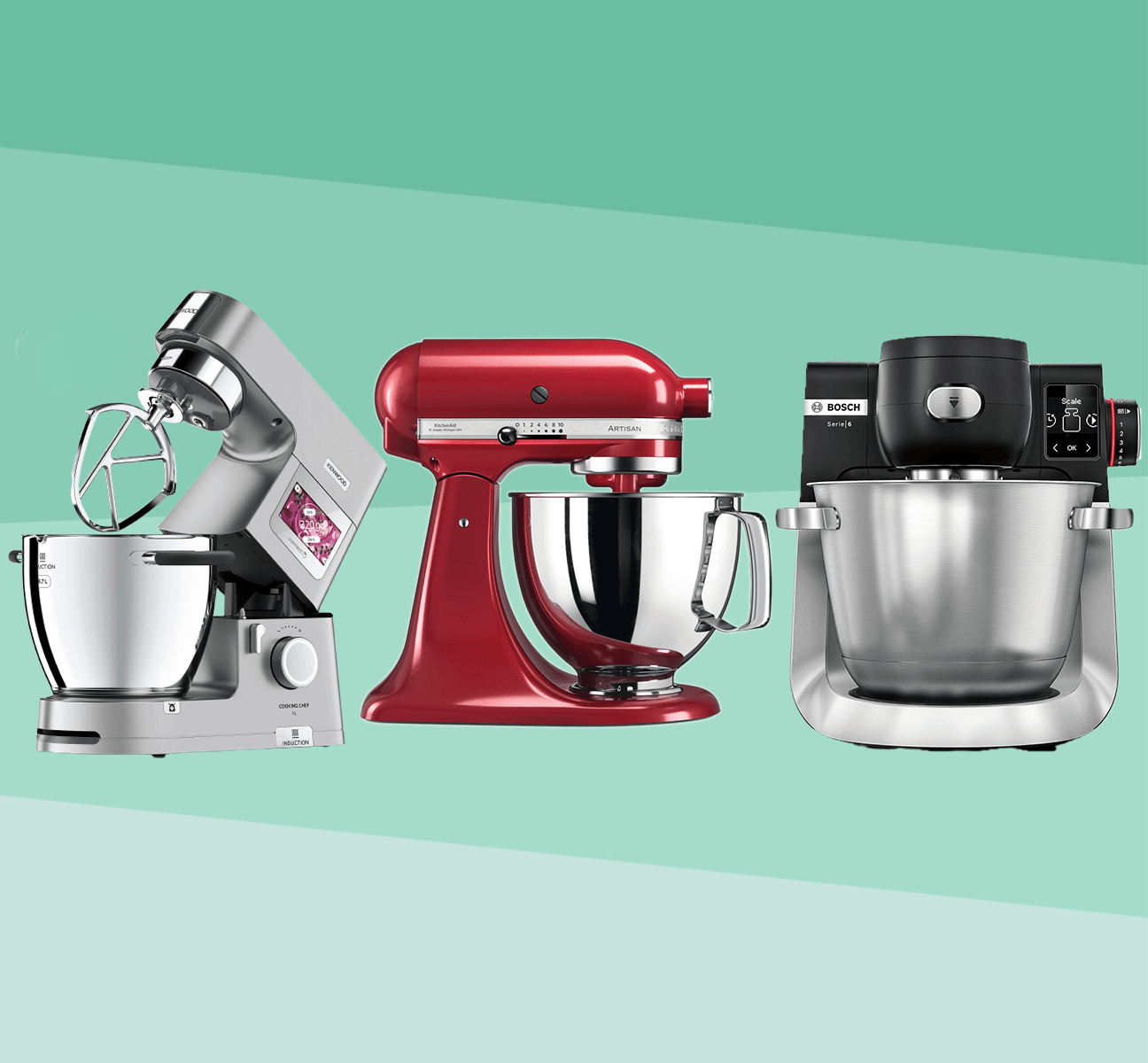
Understanding Your Workhorse: What is a KitchenAid Tilt-Head Stand Mixer?
At its heart, a KitchenAid tilt-head stand mixer is characterized by its hinged head, which can be tilted back to allow easy access to the mixing bowl and attachments. This design is both intuitive and practical. You simply flip a lever, tilt the head back, attach your bowl to the base, swap out beaters, or scrape down the sides with ease. Once your ingredients are in, you lower and lock the head into place, and the planetary mixing action begins its magic. This unique mixing motion ensures that the beater spirals in one direction while whisking and rotating in the other, guaranteeing thorough incorporation of ingredients from the center to the edge of the bowl. This isn’t just about mixing; it’s about achieving consistent, superior results every single time.
The most popular among these, the KitchenAid Artisan Series 5-Quart Tilt-Head Stand Mixer, boasts a powerful 325-watt motor and 10 speed options. This robust combination allows it to handle everything from delicate meringues to dense bread dough, showcasing remarkable versatility for both light and heavy ingredients. Its compact footprint, typically around 14 inches tall, means it comfortably fits under most kitchen cabinets, making it an ideal choice for everyday home bakers.
Tilt-Head vs. Bowl-Lift: Which KitchenAid is Right for You?
When choosing a KitchenAid stand mixer, one of the first decisions you’ll face is between a tilt-head and a bowl-lift model. While both are phenomenal machines, they cater to slightly different needs and preferences.
The Tilt-Head Advantage for Home Bakers:
- Ease of Access: The defining feature of the tilt-head is its ability to pivot back, offering unhindered access to the bowl and attachments. This makes adding ingredients, scraping down the bowl, and changing accessories a breeze.
- Compact Design: Generally lighter and more compact than their bowl-lift counterparts, tilt-head mixers are easier to move and store. Their lower profile also means they’re more likely to fit comfortably beneath standard kitchen cabinets.
- Aesthetic Appeal & Color Variety: If you love a splash of color in your kitchen, the tilt-head series, particularly the Artisan models, offers an astonishing array of vibrant hues—sometimes as many as 46 different shades! This allows you to choose a mixer that perfectly matches your kitchen decor or makes a bold statement.
- Cost-Effectiveness: Tilt-head models often come at a more accessible price point, making them an excellent investment for casual to frequent home bakers who don’t necessarily require the industrial-grade power or capacity of a bowl-lift mixer.
- Capacity: While generally smaller, a 5-quart tilt-head mixer can effortlessly handle a family-sized loaf of bread or up to nine dozen cookies in a single batch—more than enough for most home baking needs.
When a Bowl-Lift Might Be Better:
Bowl-lift mixers, with their stationary heads and lever-operated bowl-lifting mechanisms, are typically larger and heavier. They feature more powerful motors and larger capacities (up to 8 quarts), making them ideal for commercial settings or home bakers who regularly tackle very large batches or extremely stiff, heavy doughs that demand maximum stability and power. However, they come with a larger footprint, fewer color options, and a higher price tag.
For the everyday home baker, the KitchenAid tilt-head stand mixer offers an optimal balance of functionality, convenience, and aesthetic choice.
Beyond the Basics: Essential KitchenAid Tilt-Head Accessories and Attachments
What truly sets a KitchenAid stand mixer apart is its incredible versatility, largely thanks to its power hub and extensive range of attachments. Your tilt-head mixer usually comes equipped with a few foundational accessories:
- Flat Beater: Your go-to for normal to heavy mixtures like cookie dough, cake batter, and mashed potatoes. Many models include a coated flat beater for easy cleaning.
- Wire Whip: Perfect for incorporating air into ingredients, creating fluffy meringues, whipped cream, and light batters.
- Dough Hook: Essential for kneading yeast doughs for bread, pizza, and pasta. It takes the hard work out of developing gluten, leaving you with perfectly elastic dough.
- Pouring Shield: A handy accessory that fits over the bowl, preventing splatters while allowing you to add ingredients easily without stopping the mixer.
But the real adventure begins with the optional attachments that transform your stand mixer into a multifaceted culinary center. The universal power hub at the front of your tilt-head mixer can connect to a dizzying array of tools, allowing it to:
- Make Pasta: With pasta roller and cutter attachments, fresh homemade pasta is no longer a restaurant-only luxury.
- Grind Meat: Create your own custom burger blends or sausages with the food grinder attachment.
- Spiralize Vegetables: Turn zucchini into noodles or potatoes into spirals with the spiralizer.
- Slicer/Shredder: Effortlessly slice vegetables or shred cheese for your favorite recipes.
- Juice: Extract fresh juices from fruits and vegetables.
- Make Ice Cream: Enjoy homemade ice cream, sorbet, or gelato with the ice cream maker attachment.
“The beauty of the KitchenAid tilt-head mixer isn’t just in its core function; it’s in its incredible adaptability,” says Chef Isabella Rossi, a renowned pastry chef and culinary instructor. “It’s not just a mixer; it’s the heart of a comprehensive kitchen system that lets you explore so many different cooking techniques with one appliance.”
Unleashing Culinary Creativity: Using Your KitchenAid Tilt-Head Effectively
Mastering your KitchenAid tilt-head stand mixer is all about understanding its capabilities and how to get the best out of it.
- Speed Settings: The 10-speed control offers precision for every task. Start on low speeds for mixing dry ingredients to prevent a flour cloud, then gradually increase for whipping, beating, or kneading. Always consult your recipe, but generally, lower speeds are for mixing and stirring, medium for beating and creaming, and high for whipping and whisking.
- Batch Sizes: While robust, tilt-head models like the 5-quart Artisan are designed for home baking volumes. Overloading the bowl, especially with stiff dough, can strain the motor and internal gears. Stick to recipe recommendations for optimal performance and longevity.
- Adding Ingredients: The tilt-head design makes adding ingredients simple. Just tilt the head back, add your ingredients, and then lower and lock it before resuming mixing. The pouring shield is also invaluable for mess-free additions while the mixer is running.
- Maintenance for Longevity: Keeping your mixer clean and well-maintained is key to its decades-long lifespan.
- Cleaning: The bowl and most standard attachments (flat beater, dough hook, wire whip) are typically dishwasher safe. For the mixer head itself, wipe it down with a damp cloth after each use. Ensure no food particles harden around the attachment hub.
- Proper Storage: Store your mixer in a cool, dry place. If it’s a permanent countertop fixture, keep it covered to protect it from dust. Detach accessories when not in use.
The Heart of the Home: Benefits of Owning a KitchenAid Tilt-Head Stand Mixer
Investing in a KitchenAid tilt-head stand mixer brings a myriad of benefits that extend far beyond simply mixing ingredients:
- Time and Effort Saving: Say goodbye to sore arms and tedious hand-mixing. Your stand mixer handles the heavy lifting, freeing you up for other tasks or simply enjoying the process.
- Consistent Results: The planetary mixing action ensures uniform incorporation, leading to consistent textures and flavors in all your baked goods. No more unmixed pockets of flour or unevenly distributed ingredients.
- Versatility: With its suite of attachments, one appliance can perform dozens of culinary tasks, from grinding meat for dinner to making fresh pasta, saving counter space and money compared to buying separate machines.
- Durability and Investment: KitchenAid mixers are renowned for their robust construction and longevity. Many bakers fondly recall using their grandmother’s mixer, a testament to the brand’s commitment to quality. It’s an investment that truly pays dividends over a lifetime of delicious creations.
- Aesthetic Appeal: Beyond function, a KitchenAid mixer is a statement piece. Its iconic design and endless color options make it a focal point in any kitchen, inspiring creativity every time you look at it.
“My KitchenAid tilt-head stand mixer isn’t just an appliance; it’s a part of my family’s culinary history,” shares Sarah Jenkins, a popular food blogger and home baker. “It’s been there for countless birthday cakes, holiday cookies, and everyday dinners. It genuinely makes baking more enjoyable and less intimidating, allowing me to experiment with confidence.”
Choosing Your Perfect Companion: Factors When Selecting a KitchenAid Tilt-Head Model
When you’re ready to bring a KitchenAid tilt-head stand mixer into your home, consider these factors to choose the model that best suits your needs:
- Capacity:
- 3.5-Quart (Artisan Mini): Perfect for small kitchens, single servings, or bakers who don’t often make large batches. It’s compact but still powerful.
- 4.5-Quart (Classic Series): A budget-friendly entry point, great for everyday baking for smaller families.
- 5-Quart (Artisan Series): The most popular and versatile choice for most home bakers, capable of handling a wide range of recipes from small to medium batches.
- Motor Power: While tilt-head motors are generally less powerful than bowl-lift ones, models like the 325-watt Artisan are more than sufficient for most home baking tasks, including light bread doughs.
- Color and Finish: This is where the tilt-head truly shines! From glossy to matte, metallics to limited edition colors, you can find a mixer that perfectly expresses your style. Look out for Design Series models which often feature unique bowl designs like glass or ceramic.
- Included Accessories: Check which standard attachments come with your chosen model. While most include the basic trio (flat beater, wire whip, dough hook) and a pouring shield, some special editions might include a Flex Edge Beater, which scrapes the sides of the bowl as it mixes.
- Budget: Tilt-head models offer a range of prices. Determine your budget, but remember that a KitchenAid is a long-term investment, so consider value over immediate cost.
Expert Tips & Tricks for Your KitchenAid Tilt-Head
To truly make your KitchenAid tilt-head stand mixer sing, try these seasoned tips:
- The “Dime Test” for Beater Clearance: If your beater isn’t scraping the bottom of the bowl, or worse, hitting it, you need to adjust the beater-to-bowl clearance. Place a dime in the bottom of the empty bowl. Attach your flat beater and lower the head. Turn the mixer to its lowest speed (stir). The beater should gently push the dime around the bottom of the bowl, but not lift it. If it doesn’t move it, the beater is too high. If it clatters or lifts, it’s too low. Adjust the small screw on the neck of the mixer (usually found behind the hinge) slightly until the dime test is perfect.
- Use the Pouring Shield: This simple accessory is a game-changer for mess-free baking, especially when adding dry ingredients to wet ones or working with liquids that tend to splash.
- Chill Your Bowl and Whisk: For exceptionally fluffy whipped cream or meringues, chill your mixing bowl and wire whip in the refrigerator or freezer for 10-15 minutes before use.
- Scraping Down: Even with planetary action, it’s a good habit to occasionally stop the mixer, tilt the head back, and use a spatula to scrape down the sides and bottom of the bowl. This ensures all ingredients are thoroughly combined.
Troubleshooting Common KitchenAid Tilt-Head Stand Mixer Issues
Even the most dependable appliances can sometimes encounter hiccups. Here are some common issues with KitchenAid tilt-head stand mixers and how to address them:
- Head Wobble or Not Locking: This is a common concern. Over time, the internal neck screw that secures the tilt-head can loosen, causing the head to feel unstable or even lift during mixing. Locate the adjustment screw (often a Phillips head) just behind the hinge area when the head is tilted back. Tighten it incrementally, testing the head’s stability until it locks firmly without excessive play. The dime test (mentioned above) can also help calibrate the head’s position.
- Beater Hitting Bowl or Not Reaching Ingredients: As discussed, this is usually a beater-to-bowl clearance issue. Use the dime test and adjust the neck screw until the beater gently sweeps the bottom of the bowl.
- Oil Leaking from Mixer Head: A small amount of oil leakage, especially after heavy use, isn’t uncommon in older models. It usually indicates that the internal grease has separated or seals are worn. While re-greasing is a more advanced DIY task, for persistent leaks, it’s advisable to consult a KitchenAid service professional to avoid contamination of your food.
- Attachments Not Turning or Weak Mixing: If your motor sounds like it’s running but the attachments aren’t moving, or it struggles with light loads, the plastic worm gear inside might be stripped. This gear acts as a failsafe to protect the motor from overload. Replacing it is a moderate repair that many handy individuals can undertake with the right parts and instructions, but it might be best left to a professional if you’re uncomfortable with internal mechanics.
Frequently Asked Questions
Is a KitchenAid tilt-head stand mixer good for making bread?
Yes, a KitchenAid tilt-head stand mixer is perfectly capable of kneading bread dough for most home baking needs. Models like the 5-quart Artisan can handle dough for up to two standard loaves of bread. For very large batches or extremely stiff, high-hydration doughs, a bowl-lift model might offer more stability and power.
How do I know if my tilt-head KitchenAid is too old?
KitchenAid mixers are built to last decades. Age isn’t necessarily a disqualifier. Signs that your mixer might need servicing or replacement include persistent oil leaks, excessive noise (grinding, clunking), significant head wobble that can’t be adjusted, attachments not turning, or the motor struggling with tasks it once handled easily.
What are the differences between the KitchenAid Artisan and Classic tilt-head models?
The Artisan Series is generally considered an upgrade from the Classic Series. The Artisan typically offers a larger 5-quart bowl (vs. 4.5-quart for Classic), a more powerful 325-watt motor (vs. 275-watt for Classic), and a much wider array of colors and special finishes. Both feature the tilt-head design and planetary mixing action.
Can I put KitchenAid tilt-head attachments in the dishwasher?
Most standard KitchenAid tilt-head attachments, including the coated flat beater, coated dough hook, and stainless steel wire whip, are generally dishwasher safe. However, always refer to your specific model’s manual for care instructions, especially for any burnished (non-coated) or unique bowl materials.
How often should I clean my KitchenAid mixer?
It’s best practice to wipe down the exterior of your KitchenAid tilt-head stand mixer after every use. The bowl and attachments should be cleaned immediately after use to prevent food residue from hardening. A deeper cleaning of the attachment hub and any crevices can be done as needed, perhaps monthly, depending on usage frequency.
Elevate Your Baking Journey
The KitchenAid tilt-head stand mixer isn’t merely an appliance; it’s an invitation to explore, create, and share the joy of homemade goodness. With its iconic design, robust performance, and unparalleled versatility, it stands as a cornerstone in countless kitchens, ready to tackle any culinary challenge you throw its way. From the lightest meringues to the heartiest bread, this workhorse promises to make your baking journey more efficient, enjoyable, and ultimately, more delicious. So, go ahead, unlock your inner baker, experiment with new recipes, and let your KitchenAid be the steadfast partner that helps you craft culinary masterpieces, one perfect batch at a time.