Stepping into the world of professional baking, whether for a bustling commercial kitchen or an ambitious home setup, often brings one question to the forefront: which Professional Stand Mixer is truly worthy of its place on your counter? These aren’t just ordinary kitchen gadgets; they are workhorses engineered for endurance, power, and precision, designed to elevate your baking from a hobby to an art form or a thriving business. With over 15 years immersed in the professional baking equipment industry, I’ve witnessed firsthand how the right professional stand mixer can revolutionize workflows, consistently deliver superior results, and even inspire new culinary creations.
The Enduring Legacy: A Brief History of Stand Mixers
The journey of the stand mixer began over a century ago, driven by the need for efficiency in the burgeoning food industry. Early models, often cumbersome and manually operated, paved the way for the mechanized marvels we know today. Hobart Manufacturing Company introduced the first commercial mixer in 1908, a 20-gallon behemoth that soon found its way into bakeries and kitchens across America. The iconic KitchenAid brand, a subsidiary of Hobart, brought the stand mixer into homes in 1919 with its H-5 model, gradually evolving from a luxury item to an indispensable kitchen appliance. This history underscores a commitment to innovation, power, and utility, characteristics that define the modern professional stand mixer.
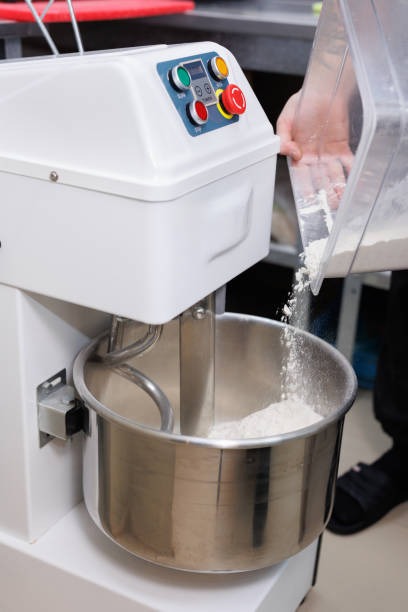
Beyond the Basics: Understanding Professional Stand Mixer Types and Attachments
Professional stand mixers come in various capacities and designs, each suited to specific demands. Generally, you’ll encounter two main types:
- Bowl-Lift Mixers: These are the quintessential professional models, characterized by a sturdy frame where the bowl is lifted into place by a lever. They are designed for heavy loads and often feature larger capacities (typically 5 quarts up to 8 quarts or more for commercial use), making them ideal for dense doughs and large batches. Their robust construction ensures stability and minimizes vibration during intense mixing.
- Tilt-Head Mixers: While many tilt-head models are consumer-grade, some higher-end versions offer substantial power. Their design allows the head to tilt back for easy access to the bowl and attachments. They are generally suited for lighter tasks and smaller batches compared to their bowl-lift counterparts, though premium models can still handle significant workloads.
The true versatility of a professional stand mixer shines through its extensive range of attachments. Beyond the standard trio—the wire whip, flat beater, and dough hook—many mixers offer power hubs that connect to an array of specialized tools:
- Pasta Makers: From thin spaghetti to wide fettuccine, freshly made pasta is within reach.
- Meat Grinders: Perfect for crafting homemade sausages or grinding fresh meat for burgers.
- Vegetable Slicers/Shredders: Effortlessly prepare large quantities of ingredients for salads or casseroles.
- Ice Cream Makers: Churn out creamy homemade ice cream, sorbet, or gelato.
- Juicers, Grain Mills, and Sifters: Expanding the mixer’s utility far beyond just baking.
“The power hub on a professional stand mixer isn’t just a convenience; it transforms the appliance into a multi-functional culinary station, saving space and expanding your kitchen’s capabilities,” notes Chef Eleanor Vance, a seasoned pastry chef and restaurant consultant.
Unpacking the Power: Key Features and Technologies
What sets a professional stand mixer apart are the underlying technologies and design principles focused on power, durability, and efficiency.
Motor Strength and Type
- DC vs. AC Motors: Many professional models boast powerful DC (direct current) motors. These motors are generally quieter, more energy-efficient, and capable of maintaining consistent torque even under heavy loads, such as kneading stiff bread dough for extended periods. AC (alternating current) motors are also common and reliable, especially in well-engineered models.
- Horsepower and Wattage: While higher wattage and horsepower often indicate greater power, it’s the motor’s efficiency and gearbox design that truly determine performance. A good professional mixer can handle dense mixtures without straining or overheating.
Planetary Mixing Action
This crucial feature ensures thorough mixing. The beater rotates in one direction while sweeping the entire circumference of the bowl in the other, guaranteeing that all ingredients are incorporated evenly and no unmixed pockets are left behind. This is fundamental for consistent results in baking.
Robust Construction and Durability
Professional mixers are built to last, featuring heavy-duty all-metal gears and casings. This robust construction is essential for enduring the rigors of frequent, heavy-duty use in a commercial setting or a passionate home kitchen.
Harnessing the Power: Effective Usage and Maintenance
To truly maximize your professional stand mixer, understanding proper usage and diligent maintenance is key.
Smart Usage Tips:
- Read the Manual: Always start by familiarizing yourself with your specific model’s instructions, especially regarding capacity limits and attachment usage.
- Start Slow: Begin mixing at a low speed to gradually incorporate ingredients and prevent splattering, then increase speed as needed.
- Don’t Overload: Respect the mixer’s capacity guidelines. Overloading can strain the motor and lead to premature wear.
- Scrape the Bowl: Periodically stop the mixer and scrape down the sides of the bowl with a spatula to ensure all ingredients are thoroughly mixed.
- Listen to Your Mixer: Pay attention to unusual noises or excessive straining. This could indicate an issue or that you’re pushing the mixer beyond its limits.
Essential Maintenance for Longevity:
- Clean Immediately: Wash the bowl and attachments immediately after use to prevent food from drying and hardening. Most stainless steel bowls and certain attachments are dishwasher safe, but always check manufacturer guidelines.
- Wipe Down the Base: Use a damp cloth to wipe down the mixer’s base and head, ensuring no food particles or dust accumulate.
- Regular Checks: Periodically inspect the power cord, attachments, and mixing head for any signs of wear or damage.
- Lubrication: Some older or heavy-duty models might require periodic regreasing of gears. Consult your manual or a professional technician if unsure.
The Undeniable Benefits of a Professional Stand Mixer
Investing in a professional stand mixer offers a multitude of advantages that go far beyond mere convenience:
- Time and Effort Saving: Hands-free mixing frees you to multitask, significantly reducing prep time for large batches or complex recipes. Imagine kneading dough for artisanal bread or whipping up meringue for a grand dessert while you prepare other components of your meal.
- Superior Consistency and Quality: The consistent power and planetary mixing action ensure perfectly aerated batters, uniformly mixed doughs, and flawlessly whipped creams every time, leading to professional-grade results.
- Versatility: With its array of attachments, a stand mixer transforms into a multi-purpose culinary tool, replacing numerous single-function appliances and saving valuable counter space.
- Durability and Longevity: Built with robust materials and powerful motors, these machines are designed to withstand the rigors of heavy use for years, making them a wise long-term investment.
- Ergonomic Design: Many professional models are designed for ease of use, with features like comfortably positioned controls and easy-to-attach accessories, reducing physical strain during extended use.
“For any serious baker, a professional stand mixer isn’t an expense; it’s an investment in efficiency, quality, and the sheer joy of creating,” says Mark Jensen, a bakery equipment specialist with decades of industry experience.
Navigating the Choice: Factors to Consider When Buying
Choosing the right professional stand mixer requires careful consideration of your specific needs and culinary ambitions.
- Capacity: How much do you typically bake? Mixers range from 5-quart models (great for home use and smaller professional batches) to 8-quart or even larger commercial units.
- Motor Power and Type: Look for robust DC motors for heavy doughs and frequent use. Consider wattage, but also read reviews regarding actual performance under load.
- Construction Material: All-metal construction, especially for gears, indicates durability. Stainless steel bowls are standard and hygienic.
- Attachments and Accessories: Evaluate the range of available attachments and if they cater to your specific baking and cooking needs. Does the mixer have a power hub for future expansion?
- Speed Settings: Multiple speed options, including a slow start, provide greater control over your mixing process.
- Ease of Cleaning: Detachable, dishwasher-safe parts simplify cleanup.
- Noise Level: While powerful motors can be noisy, some professional models are engineered for quieter operation.
- Brand Reputation and Warranty: Established brands often offer better customer support, readily available parts, and comprehensive warranties.
Leading the Pack: Top Professional Stand Mixer Brands
The market for professional stand mixers is dominated by a few key players renowned for their quality and performance.
- KitchenAid: Synonymous with stand mixers, KitchenAid offers a range of professional-grade bowl-lift models (like the Pro Line series) known for their iconic design, robust motors, and extensive attachment compatibility. They are often a top choice for serious home bakers and smaller commercial operations.
- Cuisinart: While perhaps more known for their food processors, Cuisinart also produces powerful stand mixers that often provide excellent value, featuring strong motors and durable construction suitable for demanding tasks.
- **Kenwood: A European powerhouse, Kenwood’s Chef Titanium and Major Titanium series are highly regarded for their high-wattage motors, advanced features like induction heating, and robust build quality, making them favorites among professional chefs and bakers worldwide.
- Hobart: For true heavy-duty commercial operations, Hobart mixers are the industry standard. These machines are built to withstand continuous use in high-volume bakeries and restaurants, offering unparalleled durability and power.
When comparing brands, consider their specific model lines for professional use. For example, a KitchenAid Pro Line will have different specifications and capabilities than a basic Artisan series.
Pro Tips and Tricks for Your Stand Mixer
Even with a professional-grade mixer, a few expert tips can further enhance your baking experience:
- Temperature Matters: Ensure ingredients like butter and eggs are at room temperature for optimal emulsification and volume.
- Gradual Additions: Add dry ingredients slowly to wet ingredients to prevent a flour cloud and ensure smooth incorporation.
- Reverse Creaming Method: For cakes, try adding dry ingredients to butter and fat first, then liquids. This can result in a finer crumb.
- Whip Eggs Over a Bain-Marie: For truly voluminous meringues or genoise sponges, gently warm eggs and sugar over a hot water bath while whisking before transferring to the mixer.
- Proper Dough Hook Technique: For kneading, use the lowest speed setting and allow the dough hook to work the dough for the recommended time. Over-kneading can result in tough bread.
Troubleshooting Common Stand Mixer Issues
Even the most robust professional stand mixer can occasionally encounter a hiccup. Here are a few common issues and how to address them:
- Mixer “Walking” on the Counter: This usually happens when mixing very stiff dough. Ensure the mixer is on a stable, flat surface. Some professional models come with heavier bases or suction cups for stability.
- Motor Overheating: If your mixer feels hot or emits a burning smell, you might be overloading it or running it for too long at high speed with heavy ingredients. Stop the mixer, unplug it, and let it cool down before resuming. Reduce batch size if consistently overheating.
- Attachments Not Reaching the Bottom of the Bowl: This can lead to unmixed ingredients. Most stand mixers have a bowl-to-beater adjustment screw. Consult your manual for instructions on how to adjust the height of the attachment.
- Excessive Noise or Grinding: This could indicate worn gears or a mechanical issue. If regular maintenance doesn’t resolve it, it’s best to contact customer service or a qualified technician.
[amz id="stand-mixer"]
Frequently Asked Questions About Professional Stand Mixers
Q: What is the main difference between a home stand mixer and a professional one?
A: Professional stand mixers are typically designed with more powerful, durable motors (often DC), all-metal gears for heavy-duty use, larger capacities, and are built to withstand the rigors of continuous operation in a commercial environment or by serious home bakers who demand peak performance.
Q: Can a professional stand mixer be used in a home kitchen?
A: Absolutely! Many serious home bakers and culinary enthusiasts choose professional-grade stand mixers for their superior power, durability, and ability to handle large batches and dense doughs that might strain a standard home mixer.
Q: How much should I expect to pay for a quality professional stand mixer?
A: Prices for quality professional stand mixers can vary significantly, ranging from $400-$800 for high-end home-use professional models to several thousand dollars for true commercial-grade machines designed for bakeries and restaurants.
Q: Are all stand mixer attachments universal?
A: No, attachments are typically brand and often model-specific. While some third-party manufacturers create compatible attachments, it’s generally safest to purchase attachments designed for your specific mixer model.
Q: How do I know if my stand mixer’s motor is powerful enough for kneading dough?
A: For kneading dense dough, look for mixers with robust wattage (typically 500W+ for home professional models, much higher for commercial) and, more importantly, a powerful DC motor with good torque. Reading reviews specifically about dough kneading performance is also highly recommended.
Q: How long should a professional stand mixer last?
A: With proper care and maintenance, a high-quality professional stand mixer can last for 10-15 years, or even longer, making it a truly enduring kitchen appliance.
The Heart of the Kitchen: A Final Word on Professional Stand Mixers
The professional stand mixer stands as a testament to culinary engineering, a powerful ally in the pursuit of baking excellence. From its humble origins to the sophisticated machines of today, it has consistently offered power, precision, and unparalleled versatility. Whether you’re a home baker aspiring to perfection or a professional looking to optimize your kitchen, choosing the right stand mixer is a decision that impacts not just your workflow, but the quality and consistency of every creation. Embrace its capabilities, experiment with its endless possibilities, and watch as your baking reaches new, extraordinary heights.