Stepping into the world of baking, whether you’re a seasoned pro or just starting your culinary journey, one appliance often stands out as the true heart of the kitchen: the stand mixer. It’s more than just a kitchen gadget; it’s a powerful ally that transforms laborious tasks into effortless joys, opening up a universe of delicious possibilities. But with so many options available, how do you pinpoint The Best Stand Mixer for your specific needs, your kitchen, and your baking ambitions? Let’s dive deep and whisk away the confusion.
The Journey of Ingenuity: A Brief History of the Stand Mixer
Believe it or not, the stand mixer wasn’t always the sleek countertop marvel we know today. Its story began in the early 20th century with an engineer named Herbert Johnson, working for the Hobart Manufacturing Company. He observed a baker tirelessly mixing bread dough by hand and thought, “There has to be a better way!” His solution, an 80-quart commercial mixer, debuted around 1908, quickly becoming standard equipment in large bakeries and even on U.S. Navy battleships.
The magic truly arrived for home cooks in 1919 when Hobart introduced the KitchenAid Food Preparer, their first stand mixer designed for domestic use. Legend has it that the iconic “KitchenAid” name was coined by an executive’s wife, who, after using the prototype, exclaimed, “I don’t care what you call it, but all I know is it’s the best kitchen aid I’ve ever had!” Fast forward to the 1930s, industrial designer Egmont Arens gave KitchenAid mixers their enduring, instantly recognizable silhouette, a design so timeless that attachments from that era still fit modern machines. Over the decades, stand mixers became more compact, more affordable, and incredibly versatile, evolving into the indispensable tool many home bakers rely on today.
Understanding the Heart of Your Kitchen: The Stand Mixer Unpacked
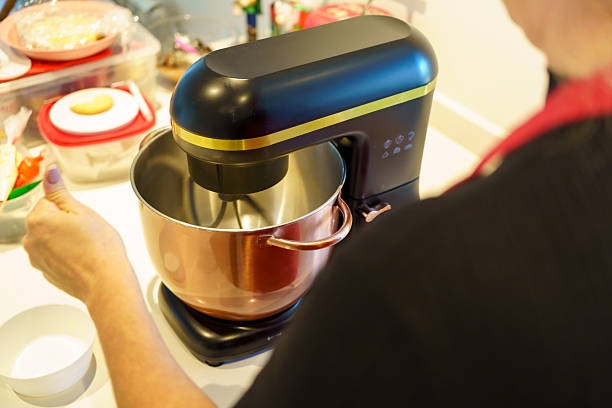
At its core, a stand mixer is a countertop appliance designed to automate and simplify tasks like mixing, whipping, and kneading. Unlike a hand mixer, it features a powerful motor housed in a stationary base, allowing the bowl and attachments to do all the hard work while your hands are free. Most stand mixers utilize a “planetary mixing action,” where the attachment rotates in one direction while orbiting around the bowl in the opposite direction. This ensures that ingredients are thoroughly incorporated from all sides and the bottom, leaving no unmixed pockets.
“The beauty of a stand mixer lies in its consistent power and hands-free operation,” explains Maria Rodriguez, a professional pastry chef with two decades of experience. “It frees you up to measure your next ingredients or clean as you go, making the whole baking process smoother and more enjoyable.”
Main Types of Stand Mixers and Their Essential Accessories
When you’re looking for the best stand mixer, you’ll primarily encounter two design types, each with its own advantages:
Tilt-Head Mixers
These are often the most recognizable, with the mixer’s head tilting back to provide easy access to the bowl and attachments.
- Pros: Generally smaller and lighter, making them easier to move and store. The tilt feature offers excellent access for adding ingredients or scraping down the bowl.
- Cons: Typically less powerful and designed for smaller to medium capacities (usually up to 5-6 quarts). You need sufficient overhead clearance to tilt the head back.
Bowl-Lift Mixers
With these models, the bowl is secured to arms on either side of the mixer, and a lever lifts the bowl into the mixing position.
- Pros: Usually more powerful motors and larger capacities (5 quarts and up), ideal for heavy-duty tasks like kneading dense bread doughs or mixing large batches. They don’t require overhead clearance for operation, only for the overall height.
- Cons: Can be heavier and larger, demanding more counter space. Access to the bowl’s contents can be slightly more restricted compared to tilt-head models.
Specialized Mixers
Some brands, like Ankarsrum, offer a unique design where the motor is in the base and the bowl rotates on the platform, often using a rolling pin or scraper rather than a traditional planetary action. These are often lauded for their exceptional ability to handle very heavy doughs.
Your Stand Mixer’s Right-Hand Tools: The Attachments
Most stand mixers come standard with three core attachments:
- Flat Beater (or Paddle Attachment): Your workhorse for general mixing. Use it for creaming butter and sugar, mixing cake batter, cookie dough, frostings, mashed potatoes, and even meatloaf. It excels at combining ingredients thoroughly without over-aerating.
- Wire Whip (or Balloon Whisk): Perfect for incorporating air into mixtures. This is your go-to for whipping egg whites into meringue, making fluffy whipped cream, aerating batters, or emulsifying dressings. Avoid using it for heavy doughs, as it can get clogged and strain the motor.
- Dough Hook: Specifically designed for kneading yeast doughs. Whether it’s pizza dough, artisan bread, or pasta dough, the dough hook mimics hand-kneading, saving you immense effort. There are two common types: the C-shaped hook, which pushes the dough from the side of the bowl, and the spiral hook, which pushes from the bottom. Both are highly effective for heavy, elastic doughs.
Beyond these essentials, many brands offer an array of optional power-hub attachments that can transform your stand mixer into a versatile multi-tool. Think pasta makers, food grinders, spiralizers, vegetable slicers/shredders, citrus juicers, and even ice cream makers. These expand your mixer’s capabilities, making it a true culinary powerhouse.
Key Features and Technologies That Truly Matter
When evaluating “the best stand mixer,” several technical aspects play a pivotal role in performance and longevity:
Motor Power (Wattage)
A higher wattage generally translates to a more powerful motor, better equipped to handle tough tasks without straining or overheating. For frequent baking, especially bread, aim for a mixer with at least 300 watts or higher. While many basic models perform well for lighter batters, more demanding recipes will benefit from a robust motor.
Bowl Capacity
Stand mixer bowls typically range from 3.5 quarts for compact models up to 8 quarts for professional-grade machines.
- 3.5-5 quarts: Ideal for most home bakers, single batches of cookies, cakes, or a loaf or two of bread.
- 6-8 quarts: Best for large families, frequent batch baking, or heavy bread doughs. Remember that the “usable capacity” might be slightly less than the stated total volume.
Speed Settings
Most quality stand mixers offer a range of 6 to 12 speeds. This control is crucial for delicate tasks like gently folding ingredients or gradually increasing speed for whipping, giving you precise command over your mix.
Construction and Durability
Look for models with a sturdy, heavy construction, often die-cast metal, which prevents the mixer from “walking” or vibrating excessively on your countertop during heavy loads. While lighter plastic models exist, they may lack the stability and durability for rigorous use.
Smart Features
Some modern stand mixers incorporate useful features like built-in timers that automatically shut off the mixer after a set time, or integrated scales for precise ingredient measurement directly in the bowl. These can add convenience, but also often come with a higher price tag.
Mastering Your Mixer: Usage and Maintenance Tips
Getting the most out of your stand mixer means understanding how to use it correctly and keep it in top condition.
- Choose the Right Attachment: This cannot be stressed enough. Using a wire whip for heavy dough can damage the attachment and strain the motor. “Always match your attachment to your task,” advises Chef Liam Sterling, a celebrated baking instructor. “It’s like using the wrong tool for a DIY project – it just won’t work efficiently, and you risk breaking something.”
- Respect Speed Limits for Dough: Some manufacturers, notably KitchenAid, advise specific speed and time limits for kneading dough (e.g., speed 2 for no more than 2 minutes at a time, with total kneading not exceeding 4-6 minutes). Exceeding these can void your warranty. If you make a lot of heavy dough, consider a mixer specifically designed for it, like an Ankarsrum.
- Start Low, Go Slow: Always begin mixing on the lowest speed to prevent ingredients from flying out of the bowl, then gradually increase as needed.
- Scrape Down the Bowl: Even with planetary action, it’s a good practice to periodically stop the mixer and scrape down the sides and bottom of the bowl with a spatula to ensure all ingredients are fully incorporated.
- Cleaning is Key: Most stainless steel bowls and coated attachments are dishwasher safe, but always check your manual. Uncoated aluminum attachments (like some older flat beaters or dough hooks) can oxidize and develop a grayish residue if left wet or put in the dishwasher, so hand-washing and immediate drying are best for these.
The Undeniable Benefits of Owning a Stand Mixer
Why do so many bakers consider a stand mixer an absolute essential? The benefits are immense:
- Time and Effort Saved: Say goodbye to sore arms and endless stirring. A stand mixer handles tedious tasks, freeing you up for other recipe steps.
- Consistent Results: Its consistent mixing action ensures perfectly aerated batters, thoroughly kneaded doughs, and consistently smooth frostings every time.
- Unmatched Versatility: With the right attachments, your mixer can do far more than just mix. It can grind meat, make pasta, spiralize vegetables, and even churn ice cream, making it a true multi-functional kitchen appliance.
- Elevated Home Baking: From delicate meringues to crusty artisan breads, a stand mixer empowers you to tackle more complex recipes with confidence, truly elevating your home baking experience.
Factors to Consider When Choosing Your Best Stand Mixer
Finding the perfect model is a personal journey. Here’s what to ponder:
- Your Budget: Stand mixers range from budget-friendly options under $200 to luxury models exceeding $1000. Determine what you’re willing to invest.
- Baking Frequency & Type: If you bake occasionally for a small family, a 4.5-quart tilt-head might be perfect. If you’re a bread enthusiast or bake large quantities, a 6-7 quart bowl-lift with a powerful motor is a better investment.
- Kitchen Space: Consider both countertop space and overhead clearance. Tilt-head models need room to tilt, while bowl-lifts are generally taller.
- Noise Level: Some mixers are notoriously loud, especially under heavy loads. If noise is a concern, look for models reviewed as quieter.
- Aesthetics: Let’s be honest, stand mixers are often left on the counter. With a rainbow of colors and various finishes (glass, stainless steel, ceramic bowls), you can find one that perfectly complements your kitchen’s style.
Comparing Top Stand Mixer Brands: Who Leads the Pack?
The market is rich with excellent stand mixer brands, each bringing its unique strengths:
- KitchenAid: Often synonymous with “stand mixer,” KitchenAid offers an extensive range from the compact Artisan Mini (3.5 qt) to the powerful Pro Line Series (7 qt). Renowned for their iconic design, vast array of colors, and an unparalleled ecosystem of power-hub attachments, they remain a top choice for versatility and style.
- Kenwood: A formidable competitor, Kenwood mixers (like the Chef or Chef Sense) are celebrated for their robust motors and large capacities, making them excellent for serious bakers who tackle heavy doughs and big batches. Their Cooking Chef models even offer induction heating for precision temperature control.
- Breville: Known for innovation and performance, Breville stand mixers often feature intelligent design elements like built-in timers and quiet operation. They consistently earn high marks for thorough mixing and powerful motors.
- Cuisinart: Offering strong performance at competitive price points, Cuisinart stand mixers are a solid choice for everyday baking tasks. They are generally user-friendly and reliable.
- Ankarsrum: A favorite among serious bread bakers, the Swedish-made Ankarsrum Original mixer stands apart with its unique motor-in-base design and rotating bowl. It’s exceptionally powerful and gentle, ideal for large, heavy doughs.
- Bosch: Often praised for their ease of use and powerful motors, Bosch stand mixers, particularly the Universal Plus, are another excellent option for those who frequently bake bread and large batches.
Tips and Tricks for Stand Mixer Mastery
Even with the best stand mixer, a few tricks can make your experience even better:
- Temperature Matters: Ensure butter is at room temperature for creaming, and egg whites are completely free of yolk for whipping to achieve optimal results.
- Don’t Overmix: While your mixer makes it easy, overmixing can lead to tough cakes or rubbery cookies. Pay attention to recipe cues and stop as soon as ingredients are just combined.
- Accessorize Smartly: Before buying a new attachment, consider how often you’ll truly use it. Start with the basics and expand your collection as your needs evolve.
Common Stand Mixer Issues and Simple Troubleshooting
Even the best stand mixer can occasionally present minor quirks. Here are a few common issues and how to resolve them:
- Mixer “Walking” on the Counter: This often happens with lighter mixers when kneading heavy dough. Ensure your mixer is on a stable, non-slip surface. Heavier models inherently have less of this issue.
- Unmixed Ingredients at the Bottom: Regularly scrape down the sides and bottom of the bowl with a flexible spatula. Some mixers come with flex-edge beaters designed to minimize this.
- Motor Strain or Overheating: If you hear the motor laboring or it feels hot, you might be overfilling the bowl or using the wrong attachment for a heavy task. Reduce the batch size or ensure you’re using a dough hook for yeast doughs. Always adhere to manufacturer guidelines for kneading times and speeds.
- Chipping Attachments: Some older or less expensive coated aluminum attachments can chip over time, especially if subjected to the dishwasher or abrasive cleaning. Consider upgrading to stainless steel or purchasing new coated attachments if this becomes an issue.
Frequently Asked Questions About Stand Mixers
What’s the main difference between tilt-head and bowl-lift stand mixers?
Tilt-head mixers have a head that lifts up for bowl access and are generally smaller, while bowl-lift mixers have a stationary head and a lever that raises the bowl into position, typically offering more power and larger capacity.
How much wattage do I really need for my stand mixer?
For general baking, 250-300 watts is usually sufficient. If you plan to make a lot of heavy bread dough or large batches, aim for 300 watts or higher for better performance and durability.
Can I put all stand mixer attachments in the dishwasher?
Always check your user manual. Stainless steel bowls and many modern coated attachments are dishwasher safe. However, uncoated aluminum attachments can discolor or pit in the dishwasher, so hand-washing and drying immediately is recommended for those.
What are the essential stand mixer attachments I should have?
The three core attachments are the flat beater, wire whip, and dough hook. These will cover the vast majority of your mixing, whipping, and kneading needs.
Is a stand mixer really worth the investment for a casual baker?
Absolutely! Even for casual bakers, a stand mixer significantly reduces effort and improves consistency, making baking more enjoyable and less daunting. It opens up new recipe possibilities and can quickly become one of the most used appliances in your kitchen.
Elevate Your Baking: Finding Your Perfect Culinary Partner
Choosing the best stand mixer isn’t about finding the single “best” model on the market; it’s about discovering the perfect culinary partner that aligns with your baking style, your kitchen’s demands, and your budget. From its humble beginnings as a commercial workhorse to its status as a beloved home appliance, the stand mixer has proven its enduring value.
It’s a testament to innovation that a machine can so effortlessly transform raw ingredients into delectable creations. So, take the leap, explore the possibilities, and get ready to whip, knead, and mix your way to baking bliss. The right stand mixer isn’t just an appliance; it’s an invitation to explore your creativity and elevate every bite. Happy baking!